

Articles
Below are some music-related topics that you may find useful.
-
Preparing for ABRSM Music Theory Exams: A Quick Guide

This post emphasises the importance of ABRSM Music Theory in developing music skills for students at all levels, covering Grades 1-8. It outlines the foundational knowledge acquired in lower grades and advanced concepts in higher grades. The author offers personalised lessons to enhance understanding and exam readiness, fostering a lifelong appreciation for music.
-
Succeeding in IGCSE Music Exam: Insights from An Examiner

The IGCSE Music exam is an exciting yet demanding qualification, offering students the opportunity to showcase their knowledge, creativity, and practical skills. It tests your ability to understand, perform, and compose music through three key components: listening, performing, and composing. To succeed, you’ll need not only technical proficiency but also a well-rounded approach to preparation.…
-
ABRSM Grade 5 Music Theory: Sections 7.1–7.5 — Music in Context Guide
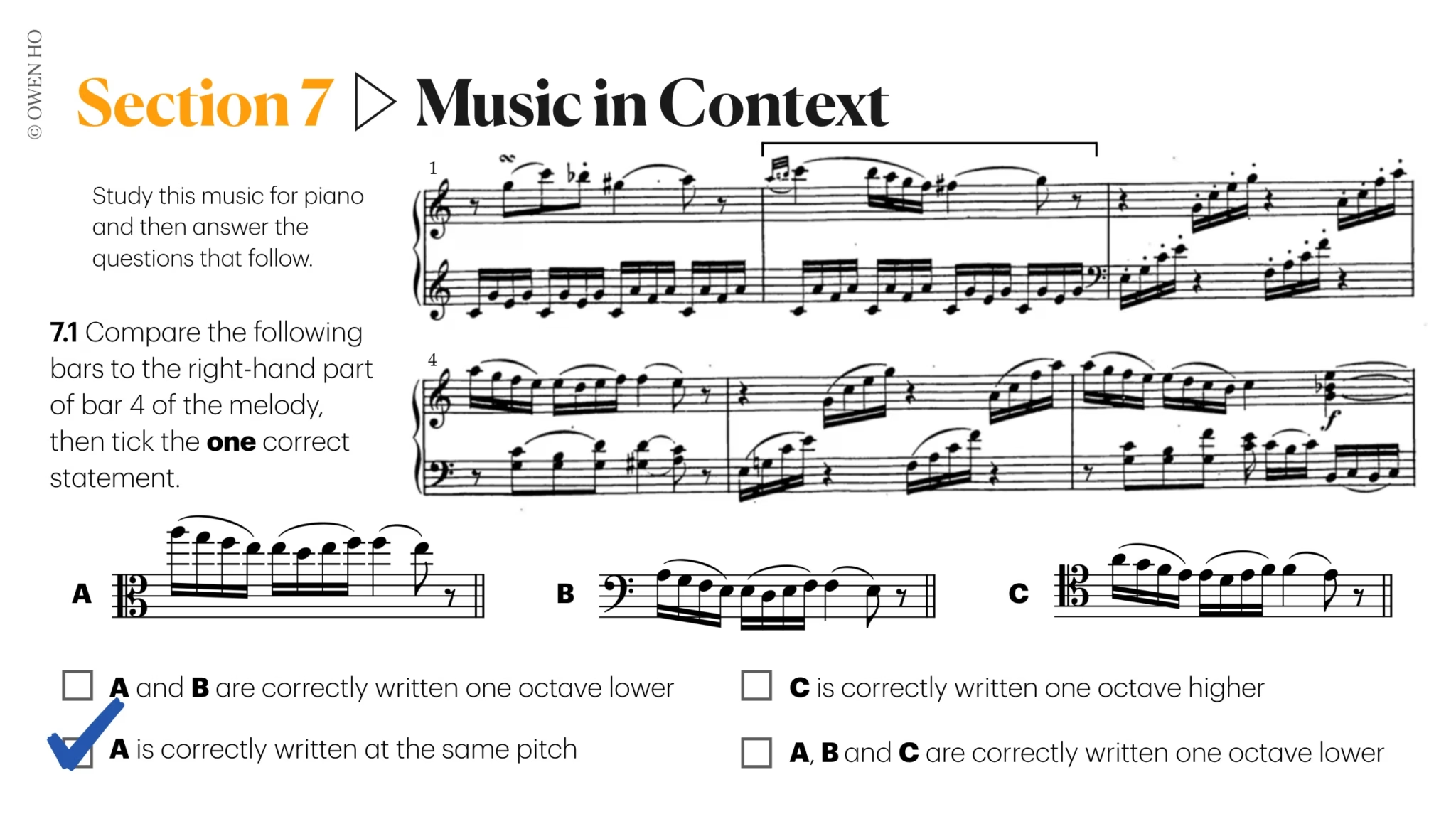
Sections 7.1 to 7.5 form the final section of the ABRSM Grade 5 Music Theory exam. This is where you apply everything you’ve learned to a short piece of music. There are five subsections, each testing a different skill. All the questions involve knowledge you’ve already learned – it’s just about putting it into practice…
-
ABRSM Grade 5 Music Theory: Section 5.1 — Chords, Triads, and Cadences Explained
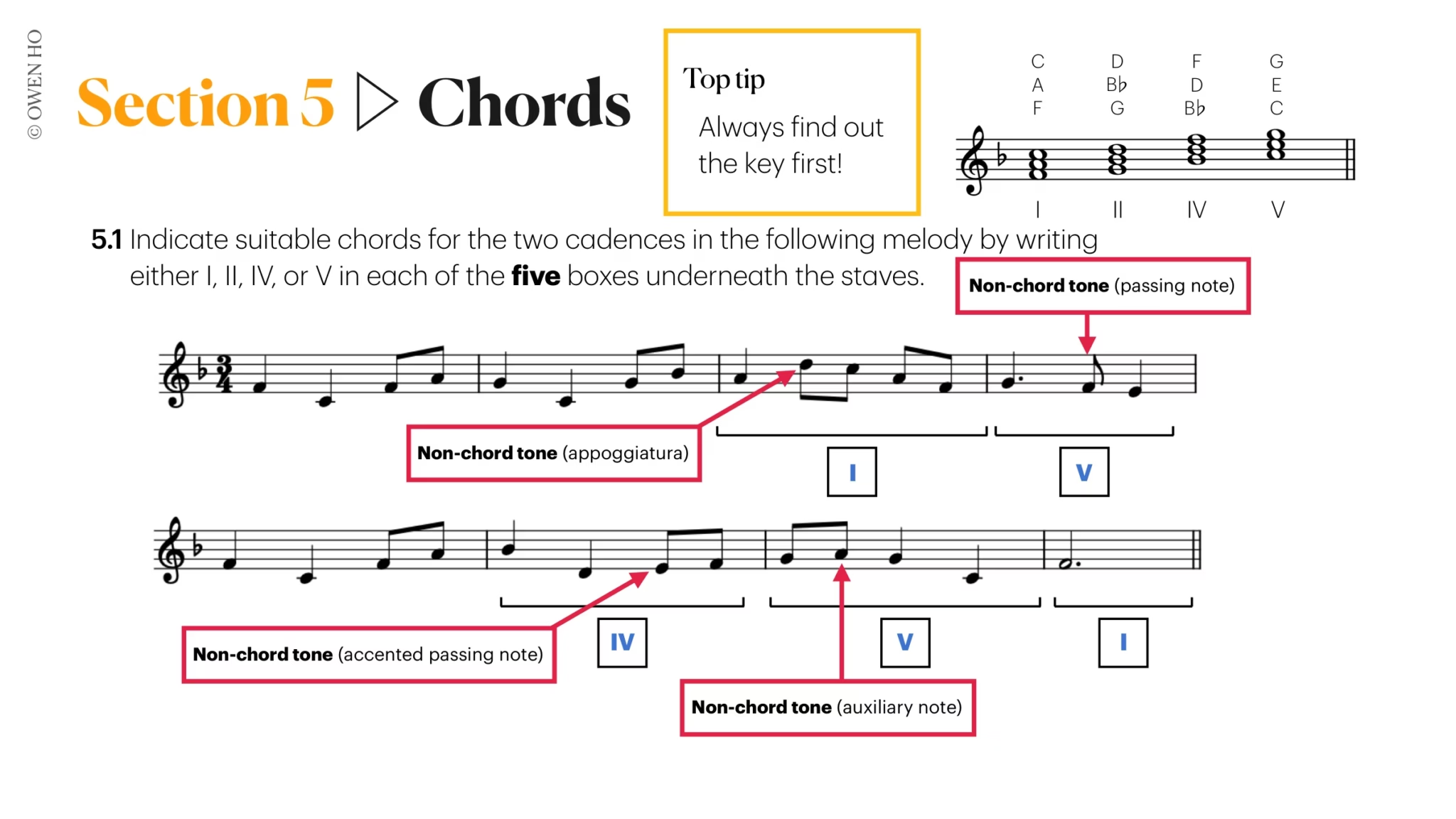
Section 5.1 of the ABRSM Grade 5 Music Theory exam tests your knowledge of chords and harmony. You’ll be given a question like this: “Indicate suitable chords for the two cadences in the following melody by writing either I, II, IV, or V in each of the five boxes underneath the staves.” To answer these questions, you…
-
ABRSM Grade 5 Music Theory: Section 2.2 — Enharmonic Equivalents Explained
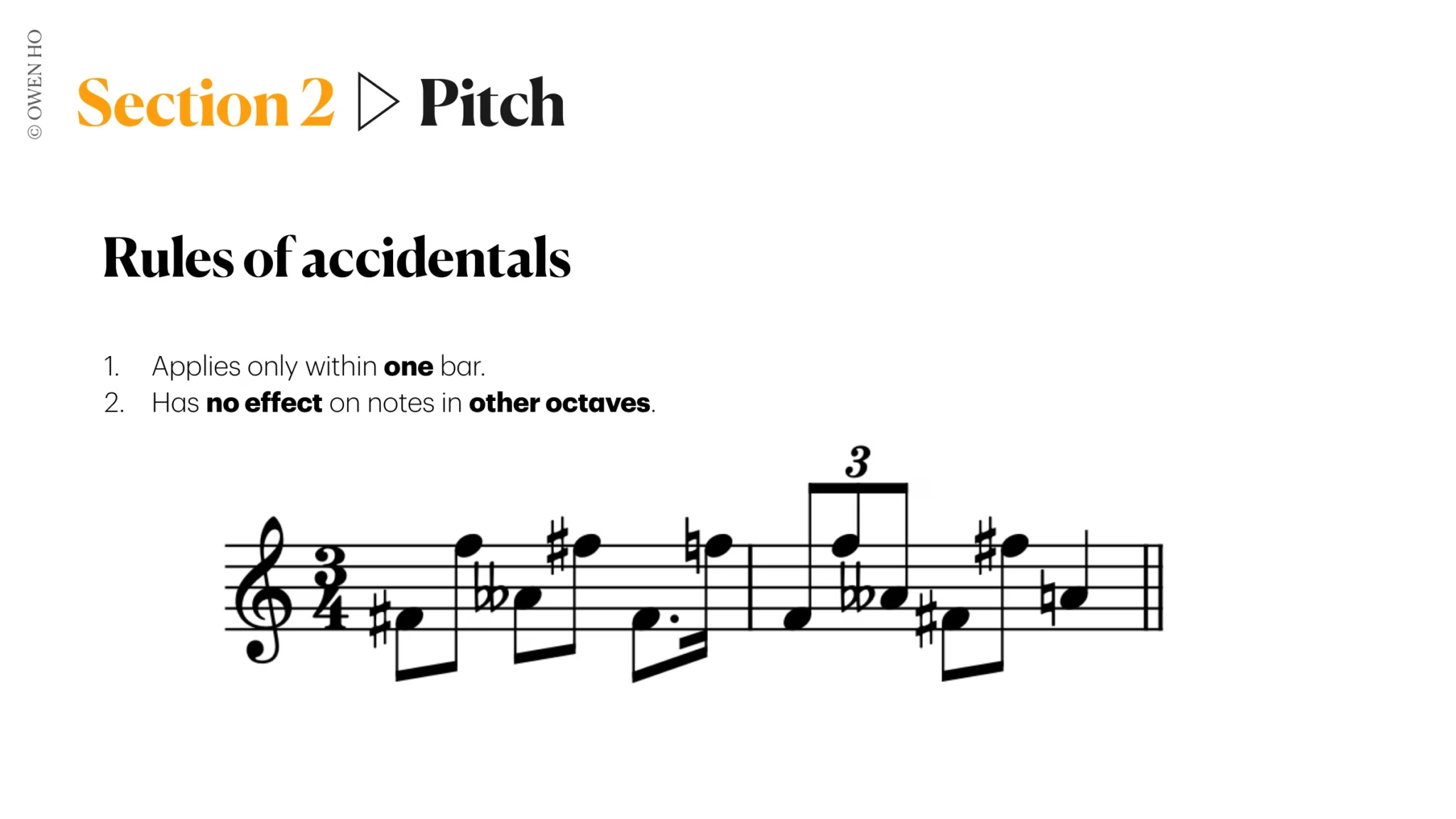
Section 2.2 of the ABRSM Grade 5 Music Theory exam tests your knowledge of enharmonic equivalents. You’ll be given a question like this: “Tick one box to show the correct enharmonic equivalent of this note.” The key concept here is understanding what an enharmonic equivalent is—and how accidentals work.
-
Ace the ABRSM Grade 5 Music Theory Exam: A Quick Guide
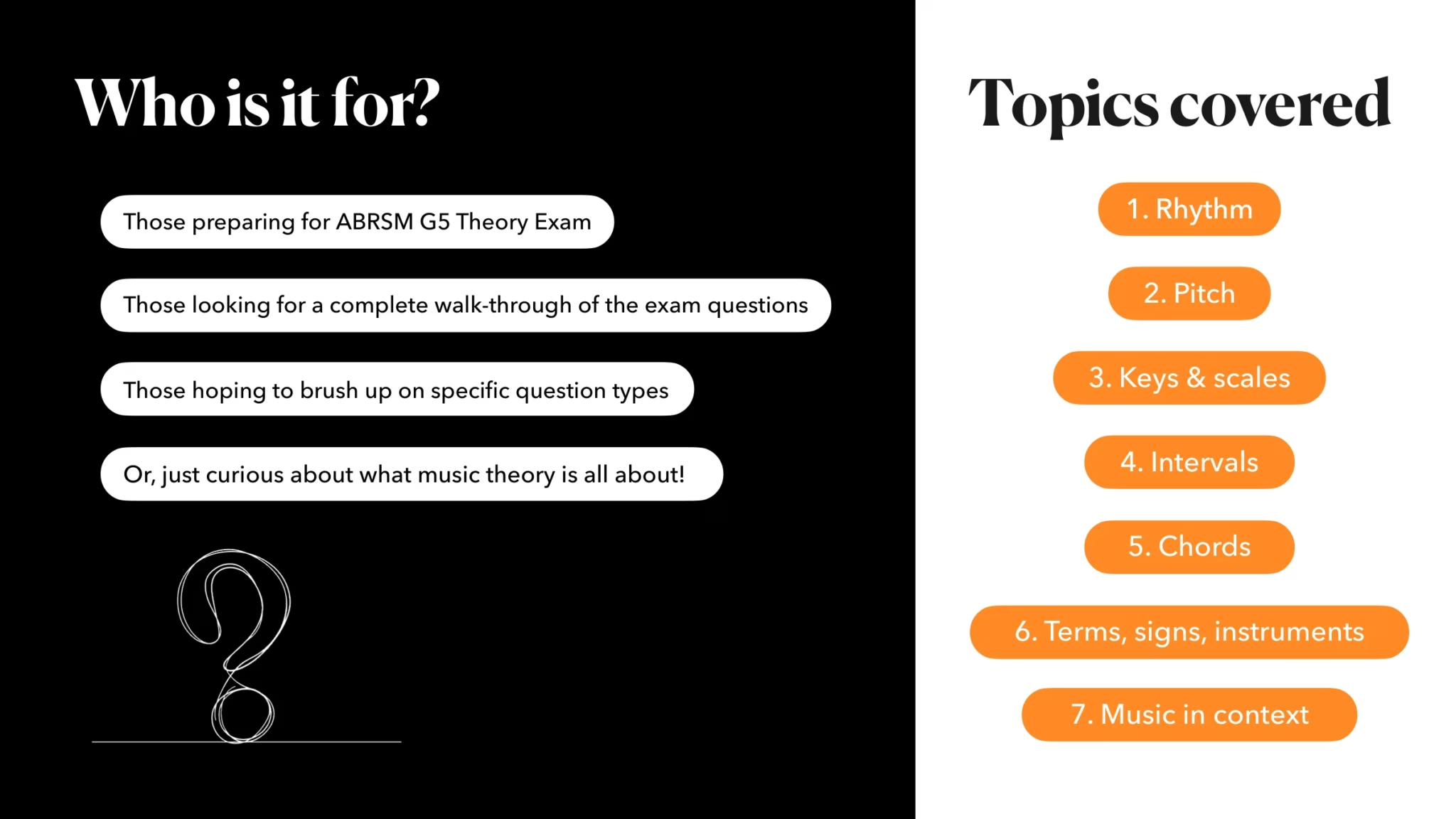
Are you feeling the pressure of the ABRSM Grade 5 Music Theory exam? You are not alone. For many musicians, this is the most daunting hurdle on their journey, especially since it’s a mandatory prerequisite for the ABRSM Grade 6 instrumental exam. As a music theory teacher, I’ve seen countless students struggle with the official…
-
Introducing ABRSM Grade 7 Music Theory

Preparing for the ABRSM Grade 7 Music Theory exam is an exciting step for students looking to deepen their understanding of harmony, structure, and stylistic practices across music history. As a bridge to the advanced concepts of Grade 8, this grade builds on everything learned in earlier levels while adding new challenges designed to refine…
-
A Walkthrough to ABRSM Grades 1-5 Music Theory Exam

I believe that music theory is fundamental in developing oneself to become high-level musician. This guide provides all the information you need to prepare for, enter, set up, and take an ABRSM Music Theory exam.
-
ABRSM Grade 5 Music Theory: Sections 4.1–4.3 — How to Identify Intervals
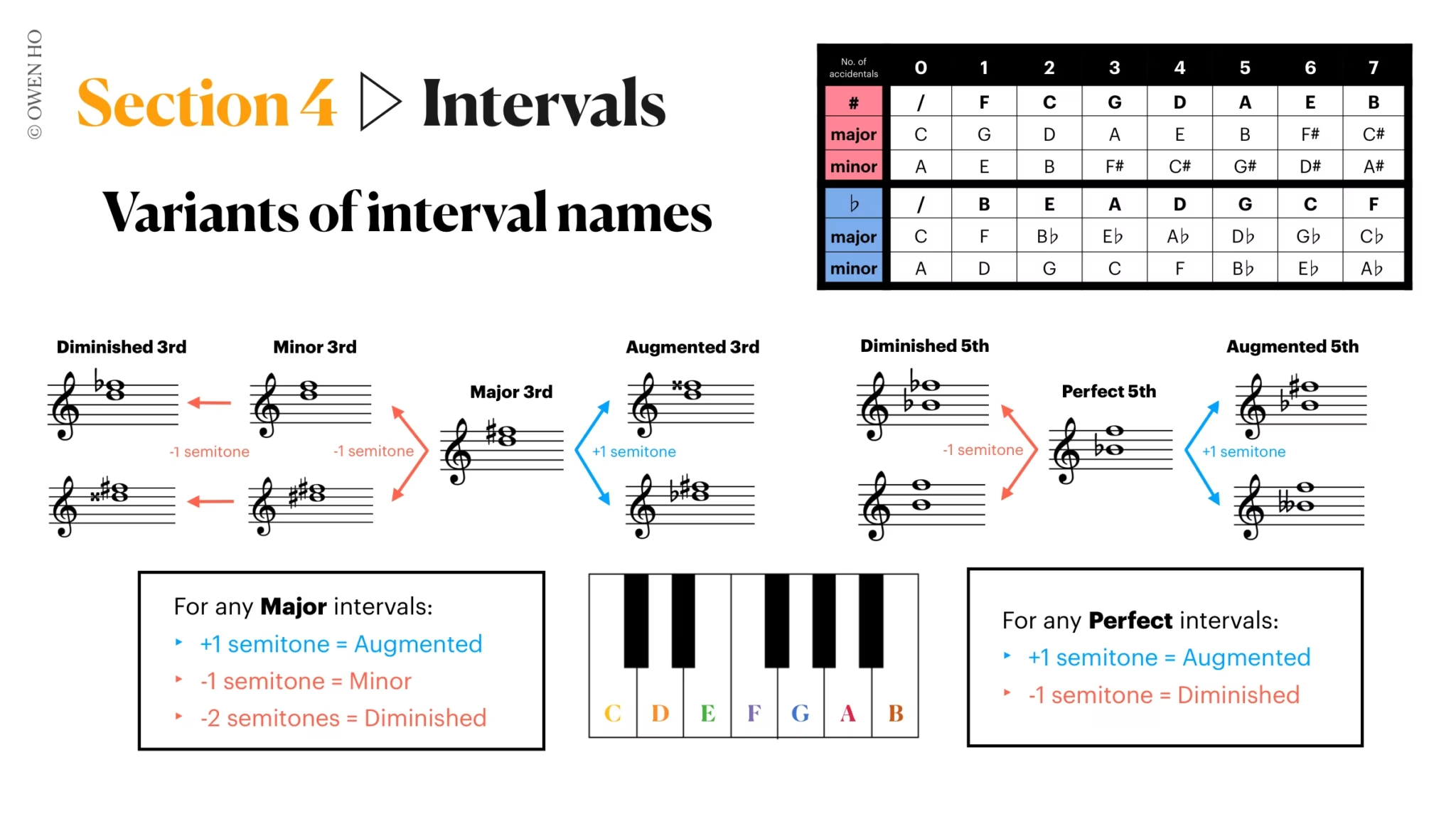
Sections 4.1, 4.2, and 4.3 of the ABRSM Grade 5 Music Theory exam test your knowledge of intervals – the distance between two notes. The three question types are: 4.1: Given two notes, circle the interval between them 4.2: Given two notes, circle the quality of the interval (major, minor, perfect, etc.) 4.3: Given a…
-
What Makes an Effective Music Tutor?

As a music tutor, my role extends beyond teaching notes and rhythms; it’s about inspiring students, nurturing their creativity, and helping them find their unique voices in music. Drawing from more than 10 years of experience, here are some key elements that you may want to know.
-
ABRSM Grade 5 Music Theory: Section 3.6 — How to Identify Chromatic Scales
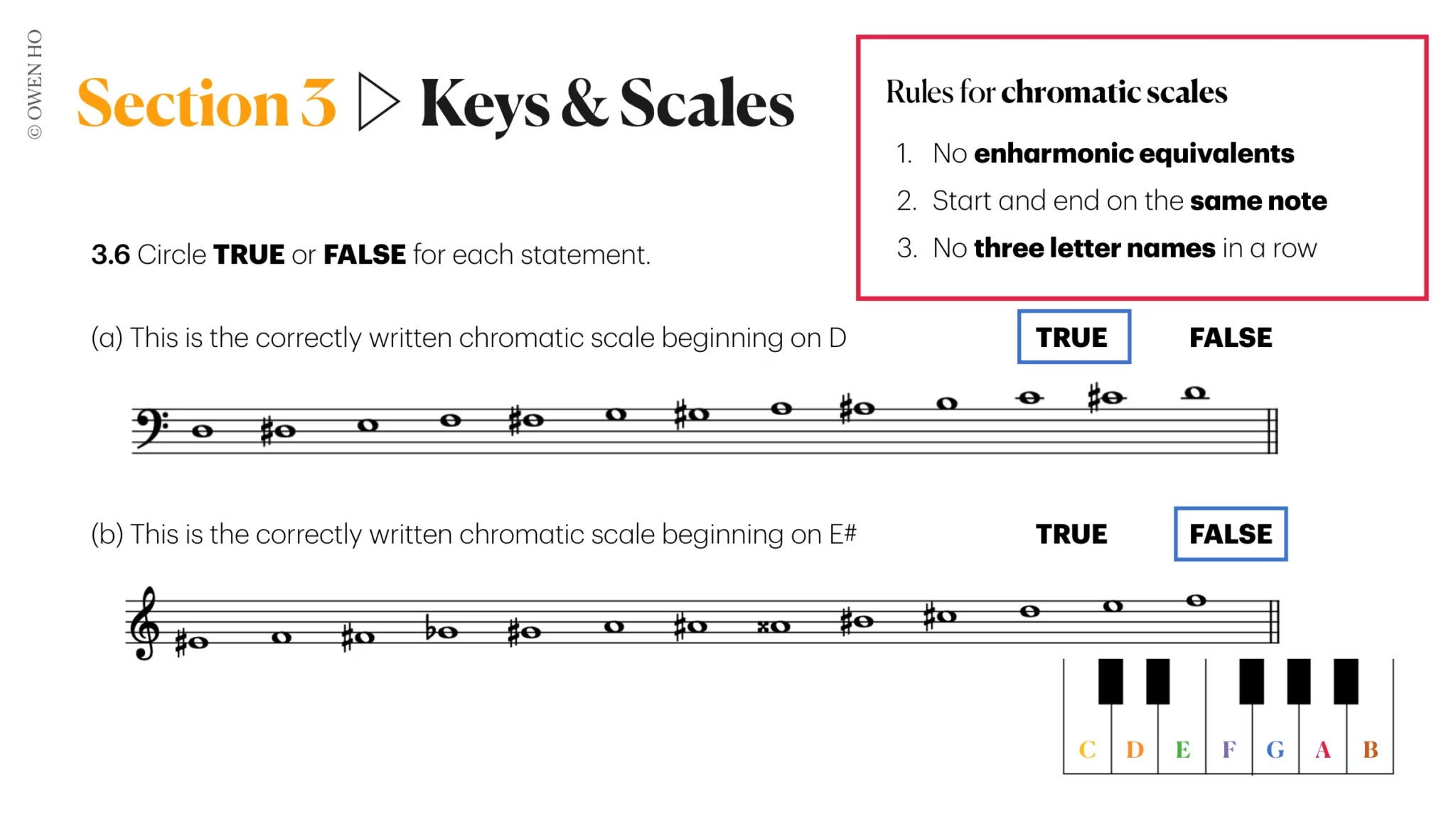
Section 3.6 of the ABRSM Grade 5 Music Theory exam tests your knowledge of chromatic scales. You’ll be given a question like this: “Circle true or false for each statement. This is the correctly written chromatic scale beginning on D.” A chromatic scale is simply a scale that covers every semitone within an octave. But…
-
ABRSM Grade 5 Music Theory: List of Terms
Here’s the official list of 134 terms you need to know for your ABRSM Grade 5 Music Theory. Mozart is watching you…
-
ABRSM Grade 5 Music Theory: Sections 3.1 & 3.2 — How to Write Key Signatures Correctly
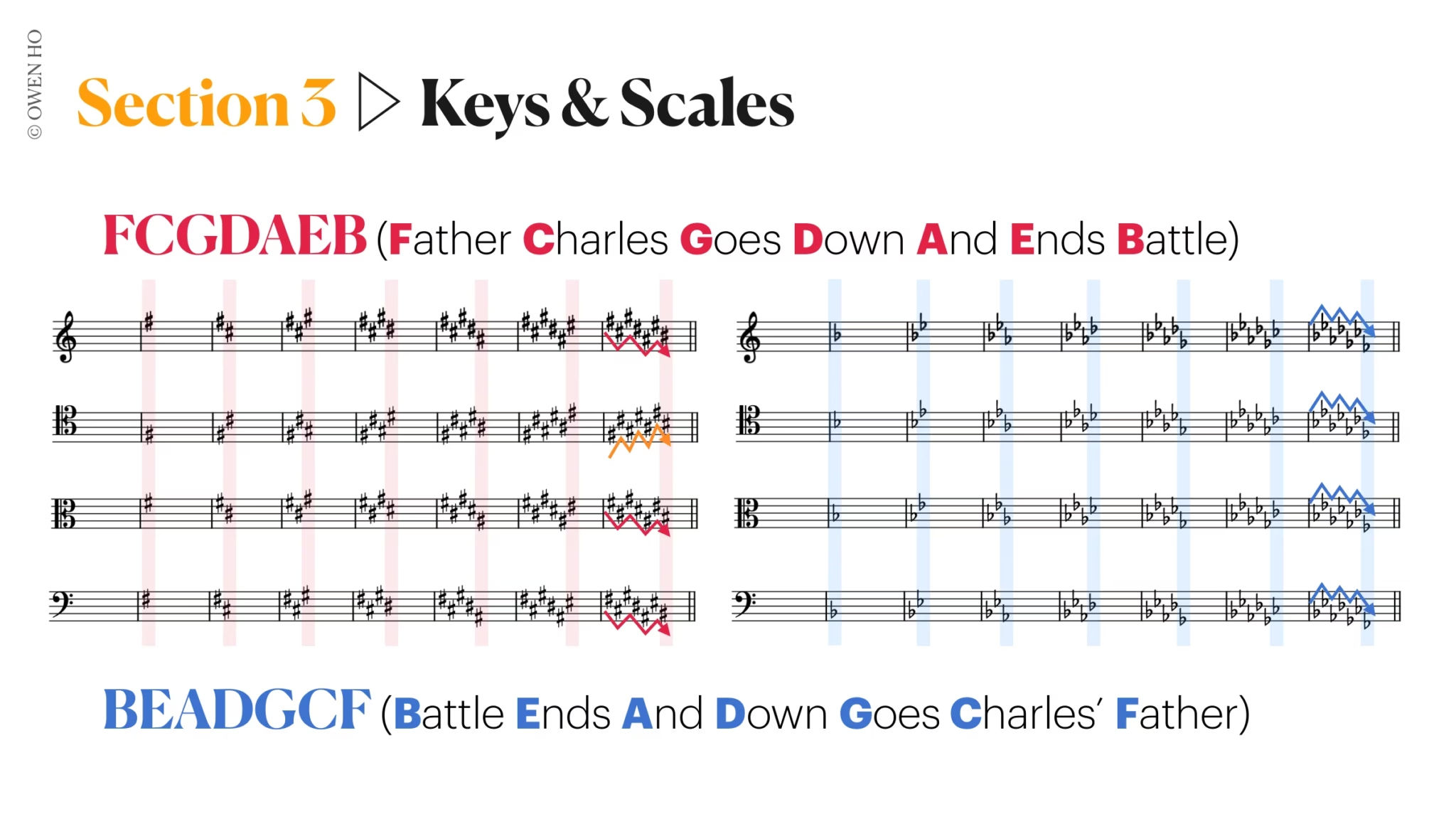
Sections 3.1 and 3.2 of the ABRSM Grade 5 Music Theory exam test your knowledge of key signatures. You’ll be given a question like this: “Tick one box to show the correctly written key signature of B major.” To answer these questions, you need to know two things: 1. Which accidentals are in the key…
-
IB Music: An Insider’s Guide to Success
I did my IB Music back in the days. This comprehensive guide provides valuable insights and tips to help you excel in your IB Music studies while focusing on the essential elements of exploring, experimenting, and presenting music, as well as the significance of the three contexts.
-
GCSE Music Composition: Tips for Success in Exams

Composing music is an enriching creative process that enhances skills and musical understanding, particularly for GCSE Music. It involves organizing melodies, harmonies, and rhythms, structured in key stages. Students create contrasting pieces evaluated on ideas, structure, medium, technique, and score presentation. Individual lessons offer tailored guidance for personal or academic growth.
-
Essential Tips for Success in GCSE Music Listening

The GCSE Music listening component evaluates students’ understanding of musical elements such as melody, rhythm, harmony, and style. Key skills include identifying instruments, analyzing compositions, and contextual discussions. Preparation strategies involve active listening, expanding musical vocabulary, and using past papers for practice. Engaging with music enhances both analytical skills and appreciation for the art form.
-
Understanding GCSE Music: A Quick Guide

GCSE Music is a UK qualification for students aged 14-16, encompassing three main components: listening, performing, and composing. It helps develop musical skills, enrich creativity, and broaden knowledge of various musical styles. Studying it prepares students for further academic pursuits in music while fostering a lifelong appreciation for the subject.
-
Understanding A Level Music: A Definitive Guide
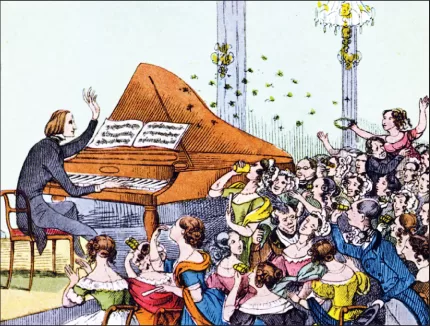
As the final step before pursuing higher education or a career in music, A Level Music serves as a critical foundation for students passionate about the art of music. This qualification not only deepens their understanding of musical concepts but also develops practical skills that are essential for a career in the music industry. Below…
-
Introducing ABRSM Grade 6 Music Theory
Are you preparing for the ABRSM Grade 6 Music Theory exam? This level marks a significant step up from Grade 5, with more than half of the exam now requiring you to write music by hand. If you haven’t spent much time practising handwritten notation, it’s essential to start early to ensure neat and accurate…
-
ABRSM Grade 5 Music Theory: Section 2.3 — Transposing Instruments Explained
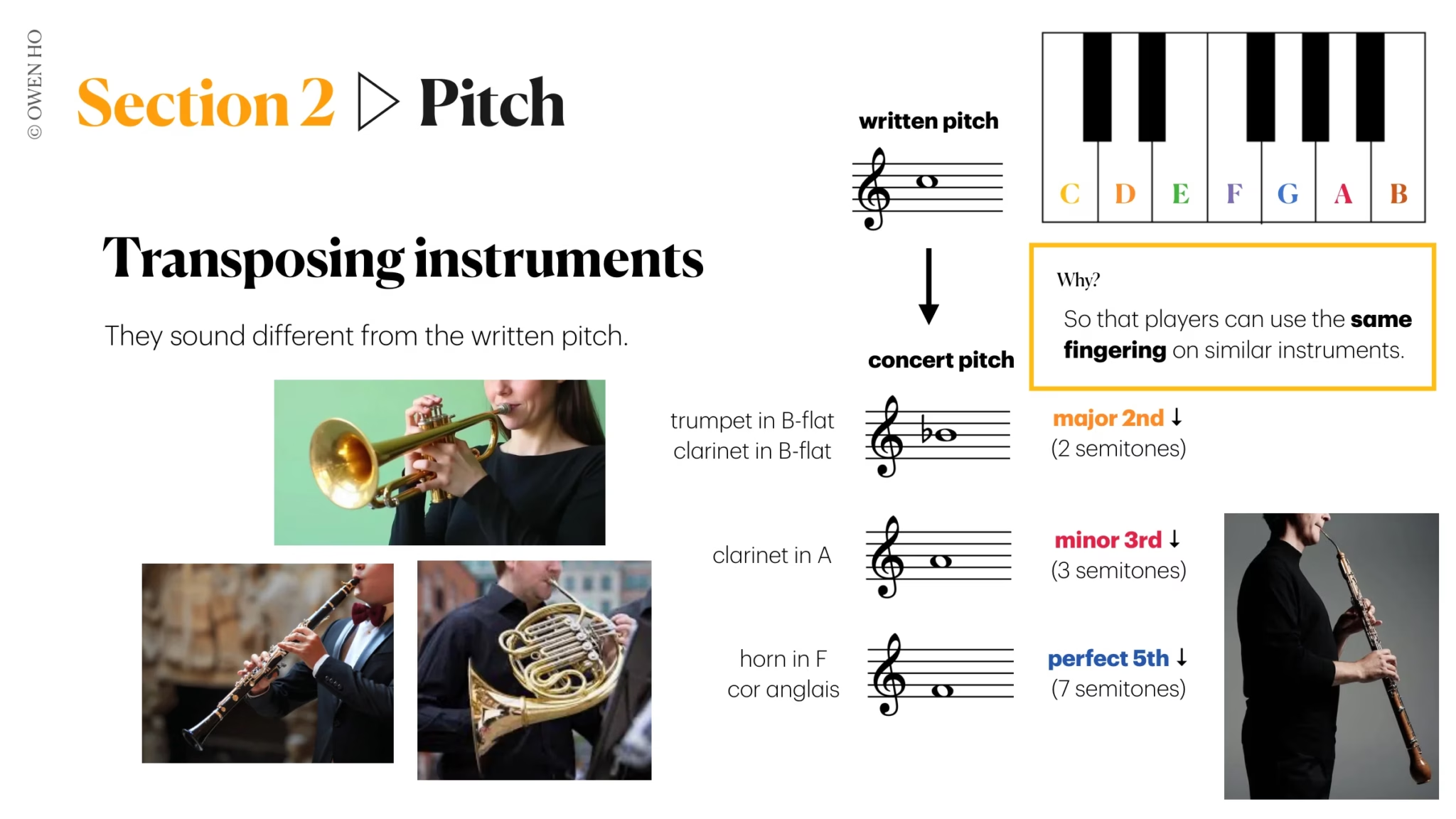
Section 2.3 of the ABRSM Grade 5 Music Theory exam tests your knowledge of transposing instruments. You’ll be given a question like this: “Here is a bar written for the clarinet in B flat. This bar has been transposed down a major second to be at concert pitch. There are some mistakes. Put a tick…
-
ABRSM Grade 5 Music Theory: Section 2.1 — How to Read Pitch and Clefs
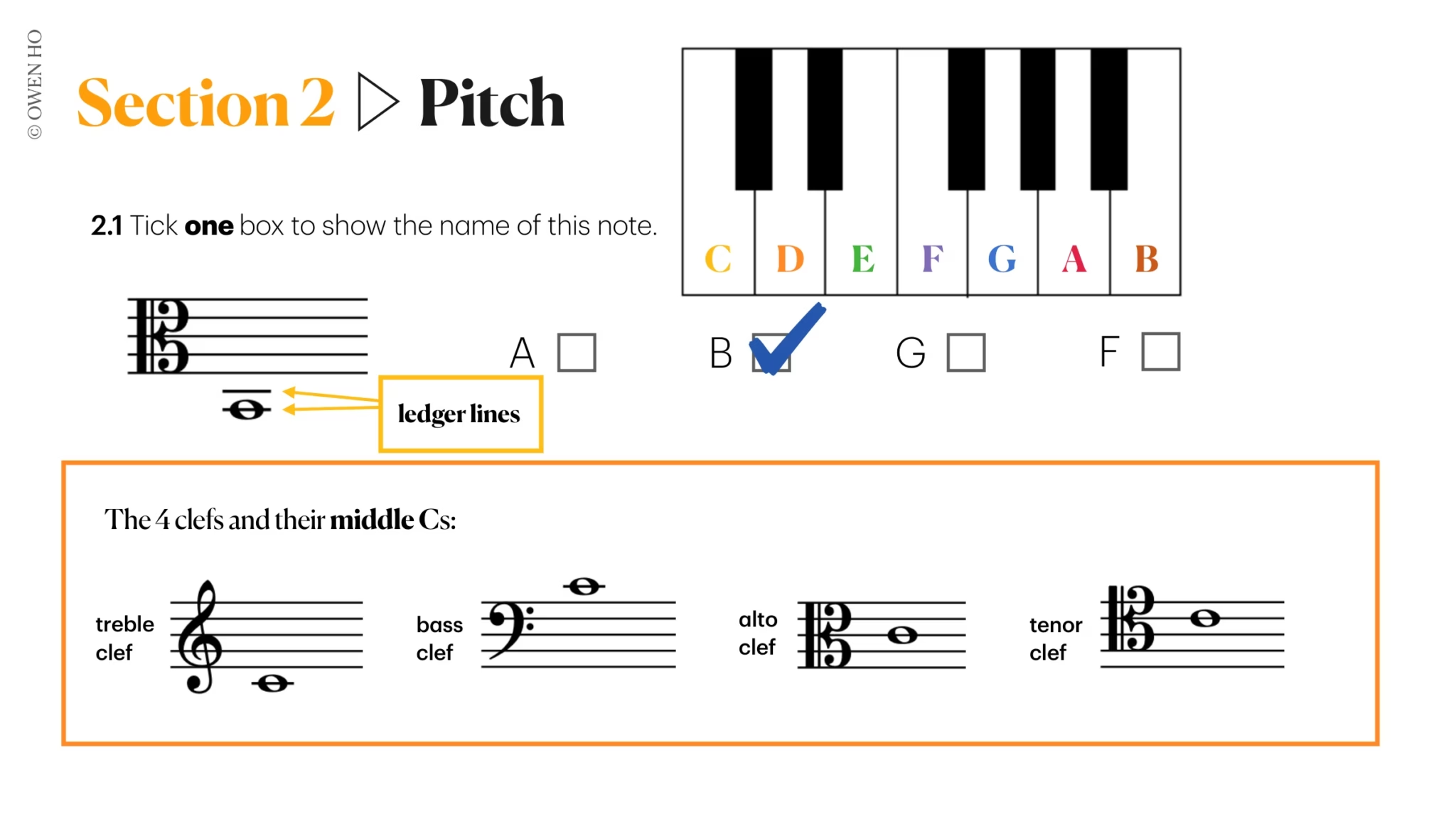
Section 2.1 of the ABRSM Grade 5 Music Theory exam tests your knowledge of pitch and how to read notes correctly. You’ll be given a question like this: “Tick one box to show the name of this note.” By this stage, most students can identify notes from a score. But at Grade 5, there’s a catch—you need to…
-
Understanding Music Theory for Every Musician

Most of us think that music theory is only a thing for the exams; it’s much more than that. It explains how music works and why some pieces sound the way they do. If you are starting out or have been playing for a while, learning theory can open new ways to enjoy, perform, or even create music. In this article, I will be covering why music theory matters.
-
ABRSM Grade 5 Music Theory: Section 1.3 — How to Calculate Rhythms
Section 1.3 of the ABRSM Grade 5 Music Theory exam tests your ability to calculate rhythms. You’ll be given two sentences to complete by adding a number. These questions might look tricky at first, but they become straightforward once you understand two key concepts: the note value tree and the difference between simple and compound…
-
ABRSM Grade 5 Music Theory: Section 2.4 — Comparing Pitches Across Clefs
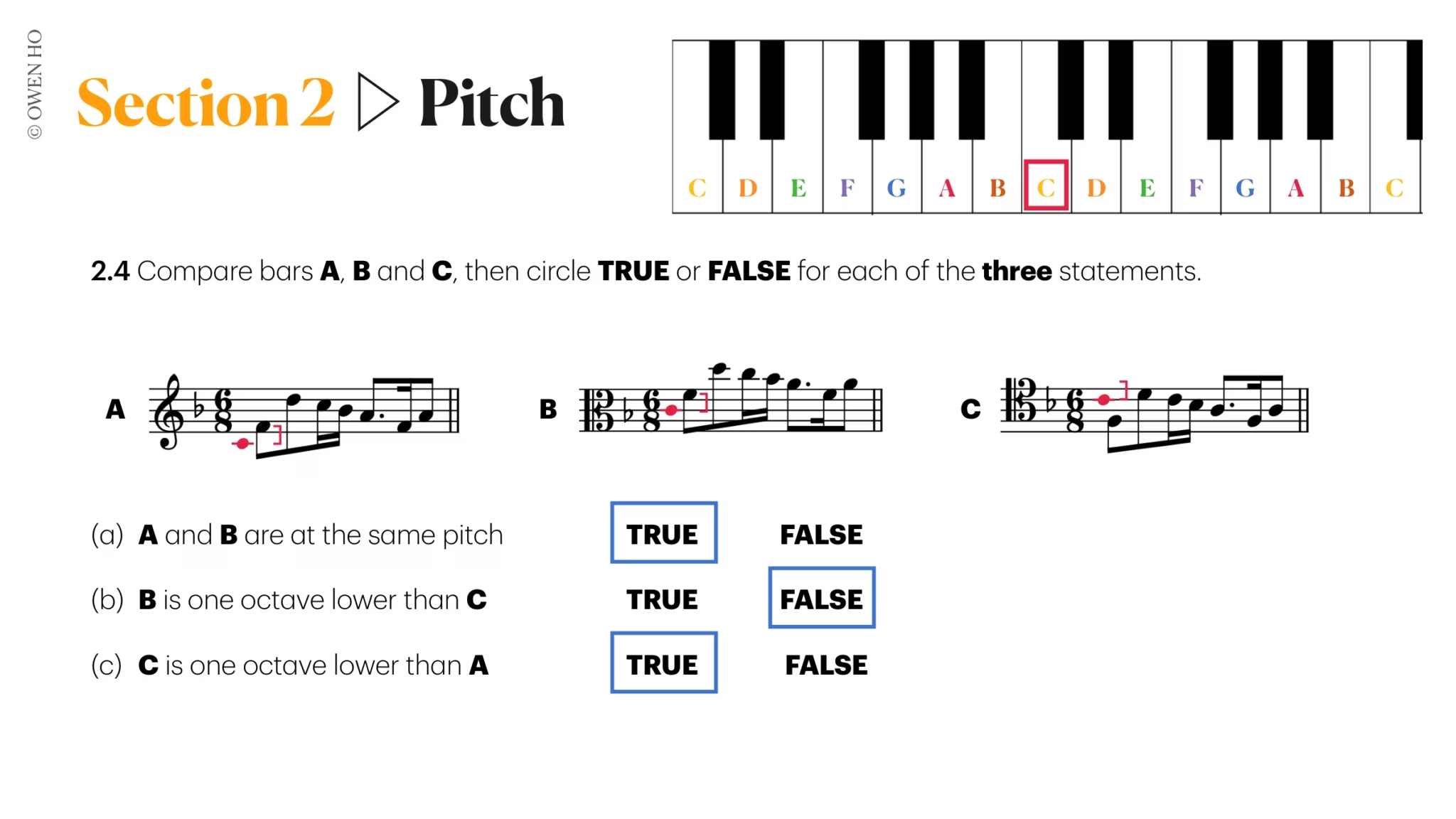
Section 2.4 of the ABRSM Grade 5 Music Theory exam tests your ability to compare pitches across different clefs. You’ll be given a question like this: “Compare bars A, B, and C. Circle true or false for each of the three statements.” The statements might look like: A and B are at the same pitch…
-
ABRSM Grade 5 Music Theory: Section 1.2 — How to Tackle Simple vs Compound Time Questions
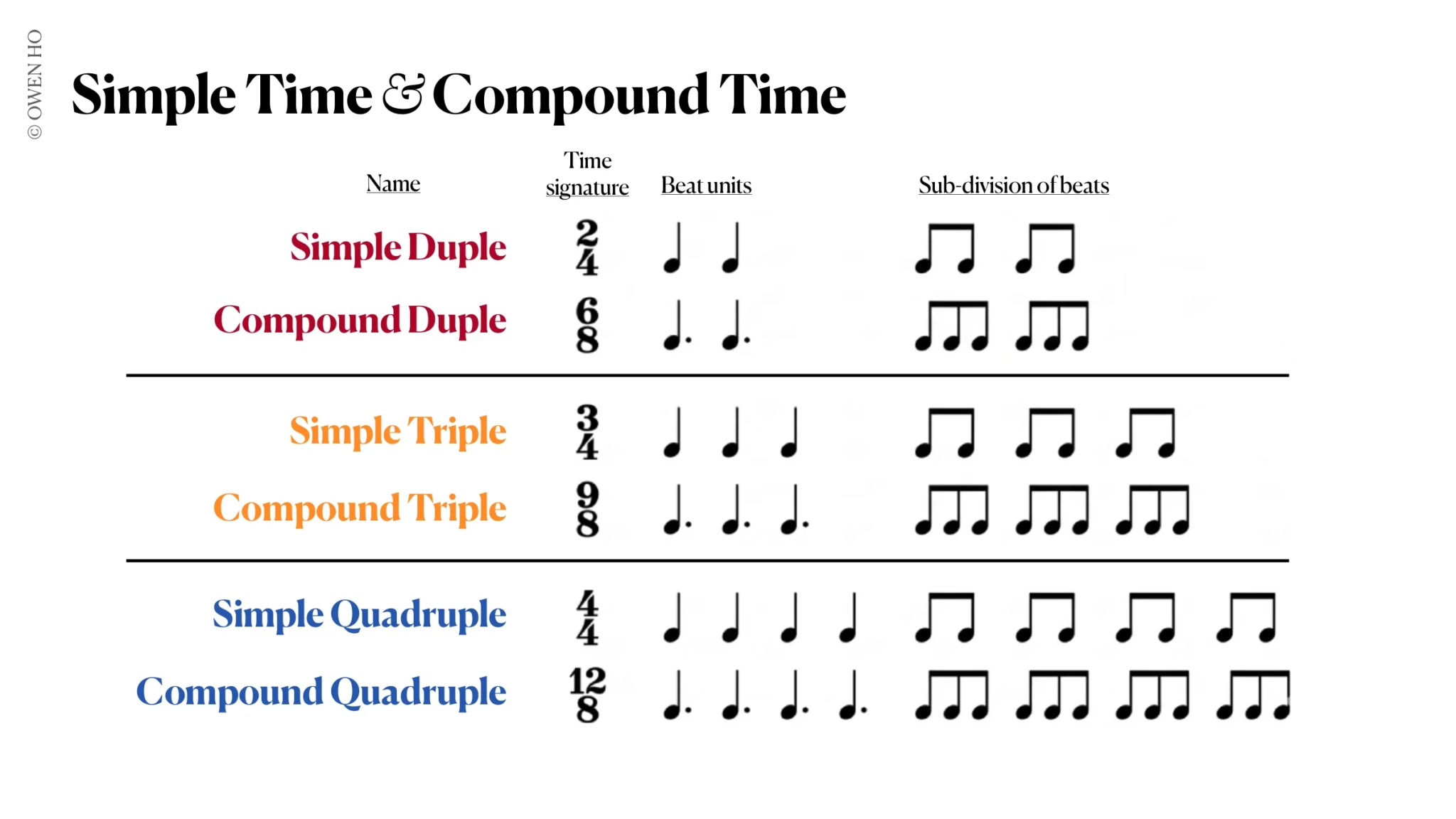
One of the most common question types in the ABRSM Grade 5 Music Theory exam involves rewriting rhythms between simple time and compound time (Section 1.2). At first glance, these questions can look confusing—especially when the two time signatures share the same number of subdivided beats. But once you understand the underlying logic, these questions…
-
Intensive ABRSM Grade 5 Music Theory Course: How it Works?

Tackling ABRSM Grade 5 Music Theory can feel daunting—especially if you’re juggling other commitments or need to prepare quickly for higher-level instrumental exams. That’s where my One-to-one Live Online Intensive ABRSM Grade 5 Music Theory Course comes in.
-
ABRSM Grade 5 Music Theory: Section 3.7 — Scale Degree Names Explained
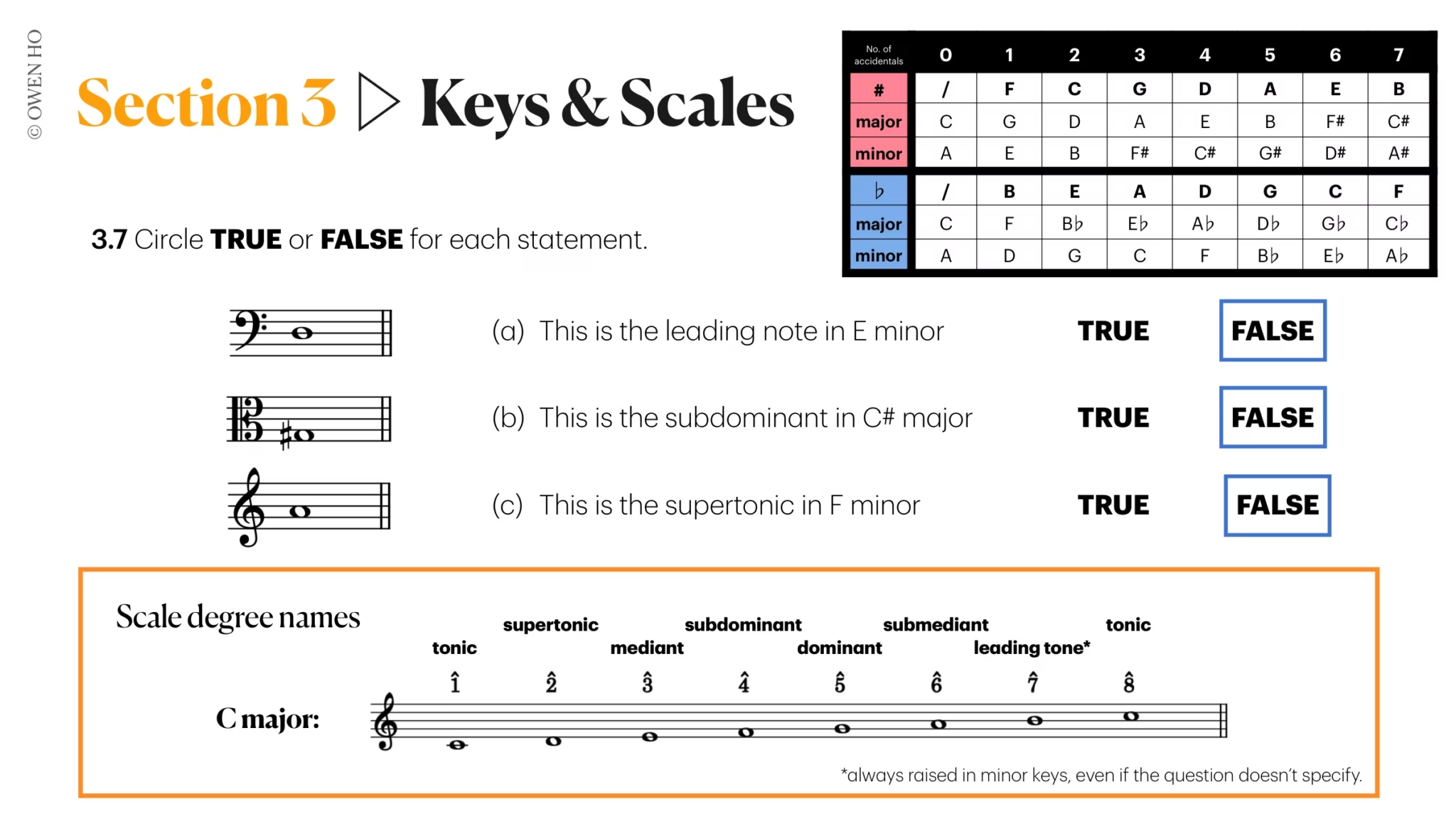
Section 3.7 of the ABRSM Grade 5 Music Theory exam tests your knowledge of scale degree names. You’ll be given a question like this: “Circle true or false for each statement.” The statements might look like: A. This is the leading tone in E minor. B. This is the subdominant in C sharp major. C.…
-
ABRSM Grade 5 Music Theory: Section 3.4 — How to Complete Melodic Minor Scales
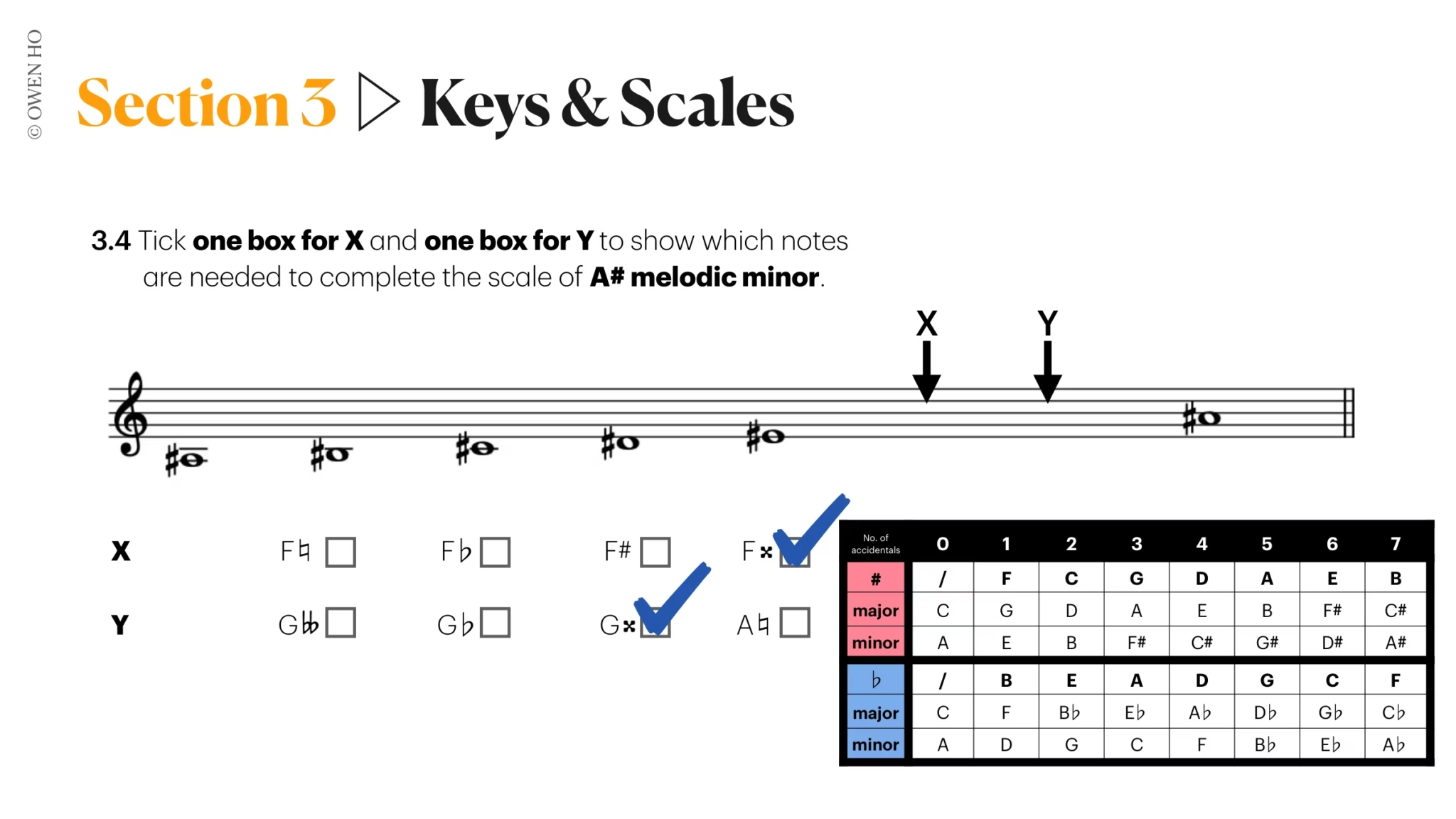
Section 3.4 of the ABRSM Grade 5 Music Theory exam tests your ability to complete a melodic minor scale. You’ll be given a question like this: “Tick one box for X and one box for Y to show which notes are needed to complete the scale of A sharp melodic minor.” To answer these questions,…
-
ABRSM Grade 5 Music Theory: Section 1.5 — How to Group Rests Correctly
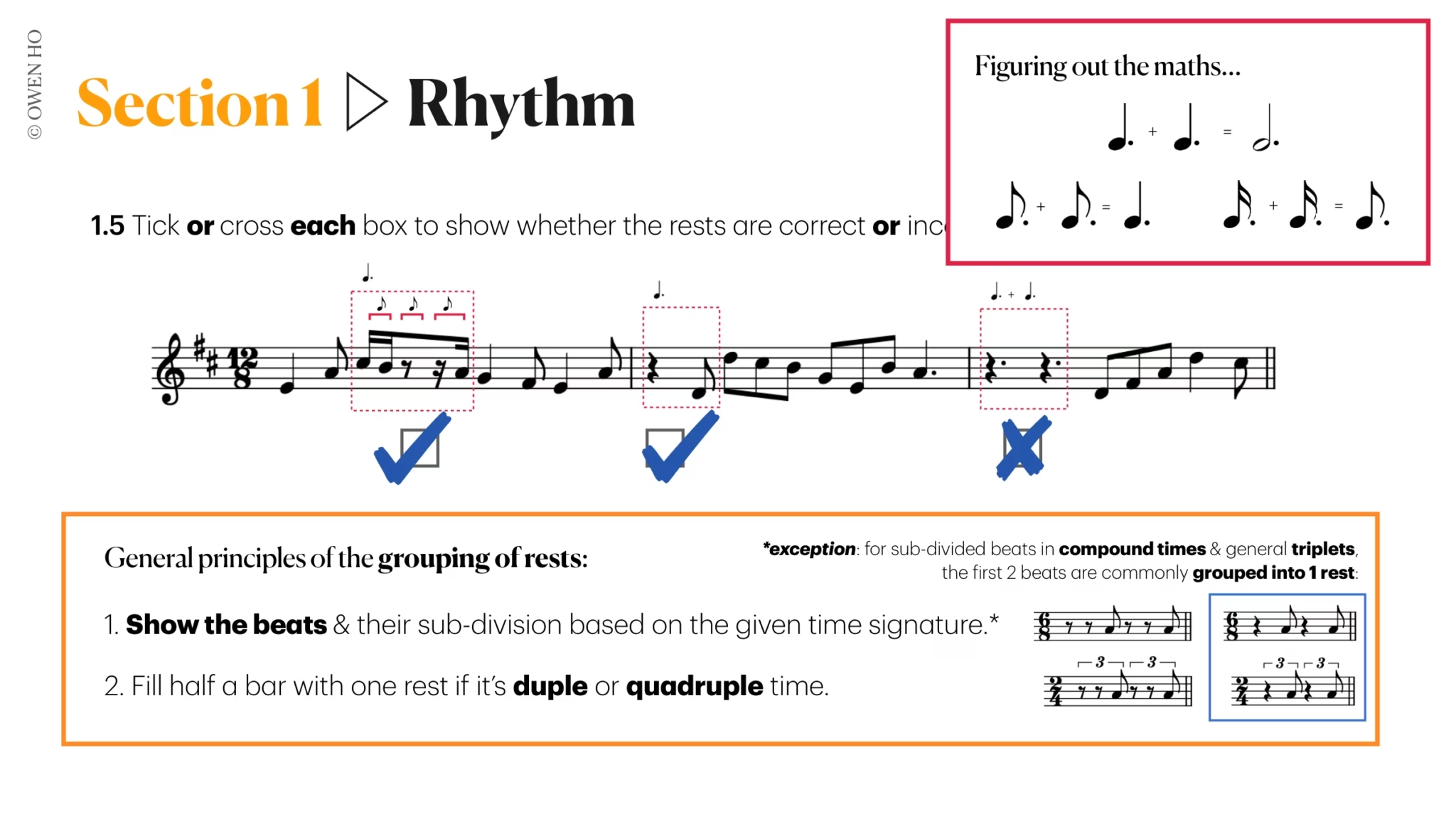
Section 1.5 of the ABRSM Grade 5 Music Theory exam tests your knowledge of grouping rests. You’ll be given a piece of music with rests and asked to tick or cross each box to show whether the rests are correct or incorrect. At first glance, these questions can seem tricky. But once you understand a…
-
Why Past Papers Are Essential for ABRSM Grade 5 Music Theory
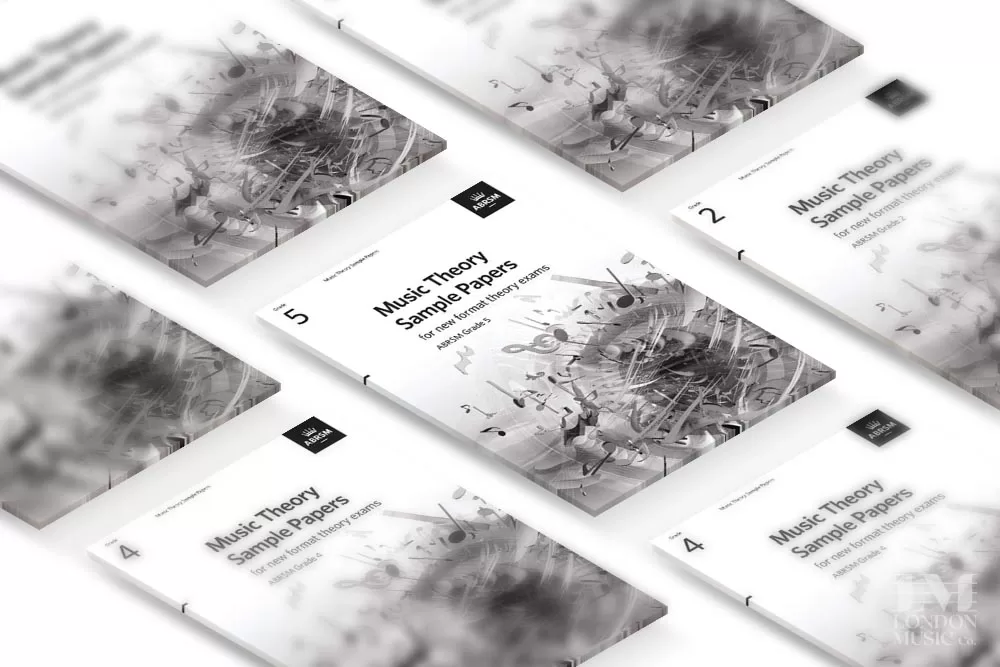
The ABRSM Grade 5 Music Theory exam requires effective preparation, primarily through practice papers. These tests familiarise students with the exam format, identify knowledge gaps, and improve speed and accuracy. Essential strategies include time management, limiting notes, reviewing mistakes, and refining timing. Consistently scoring well on practice papers indicates readiness for the exam.
-
How to Ace Your ABRSM Grade 5 Theory Exam with Confidence
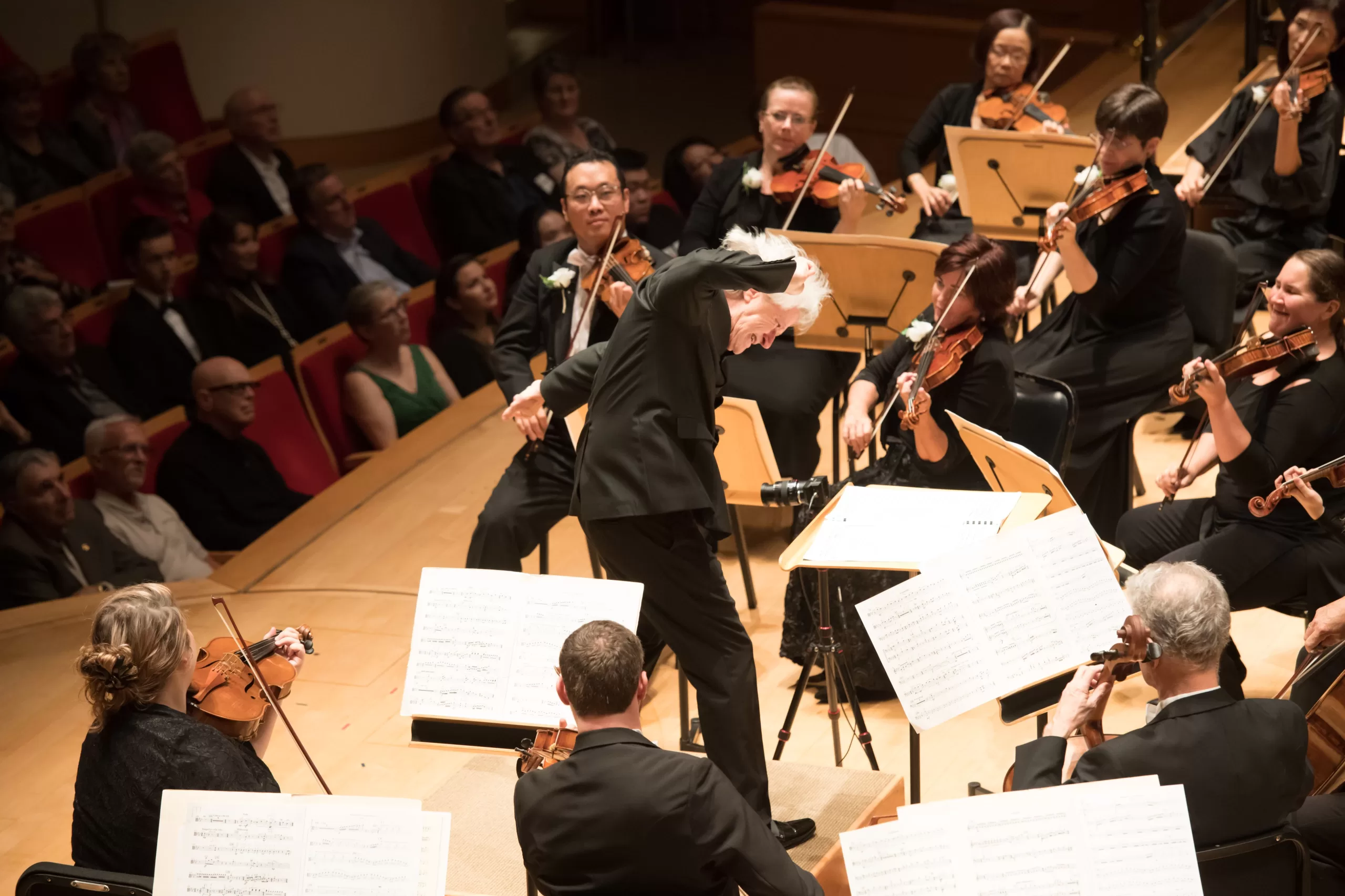
The ABRSM Grade 5 Music Theory exam enhances musicians’ skills, facilitating progress in practical grades and music comprehension. Success requires strong foundational knowledge, a tailored study routine, peer support, consistent practice, and effective time management. With proper preparation and encouragement, students can excel in this crucial step toward deeper musical understanding.
-
Nailing the A Level Music Listening Exam
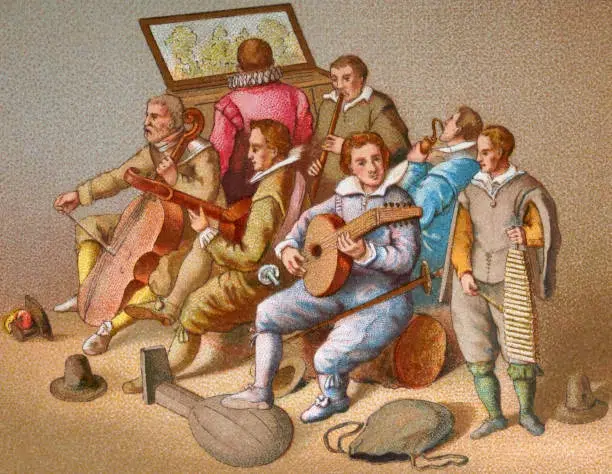
Preparing for the A Level Music Listening Exam can be a daunting task, but with the right approach, you can approach it with confidence. This exam assesses your aural perception, musical understanding, and ability to connect different musical styles. Here are some tips to help you excel in your Listening Exam.
-
ABRSM Grade 5 Music Theory: Section 3.3 — How to Identify Major and Minor Keys
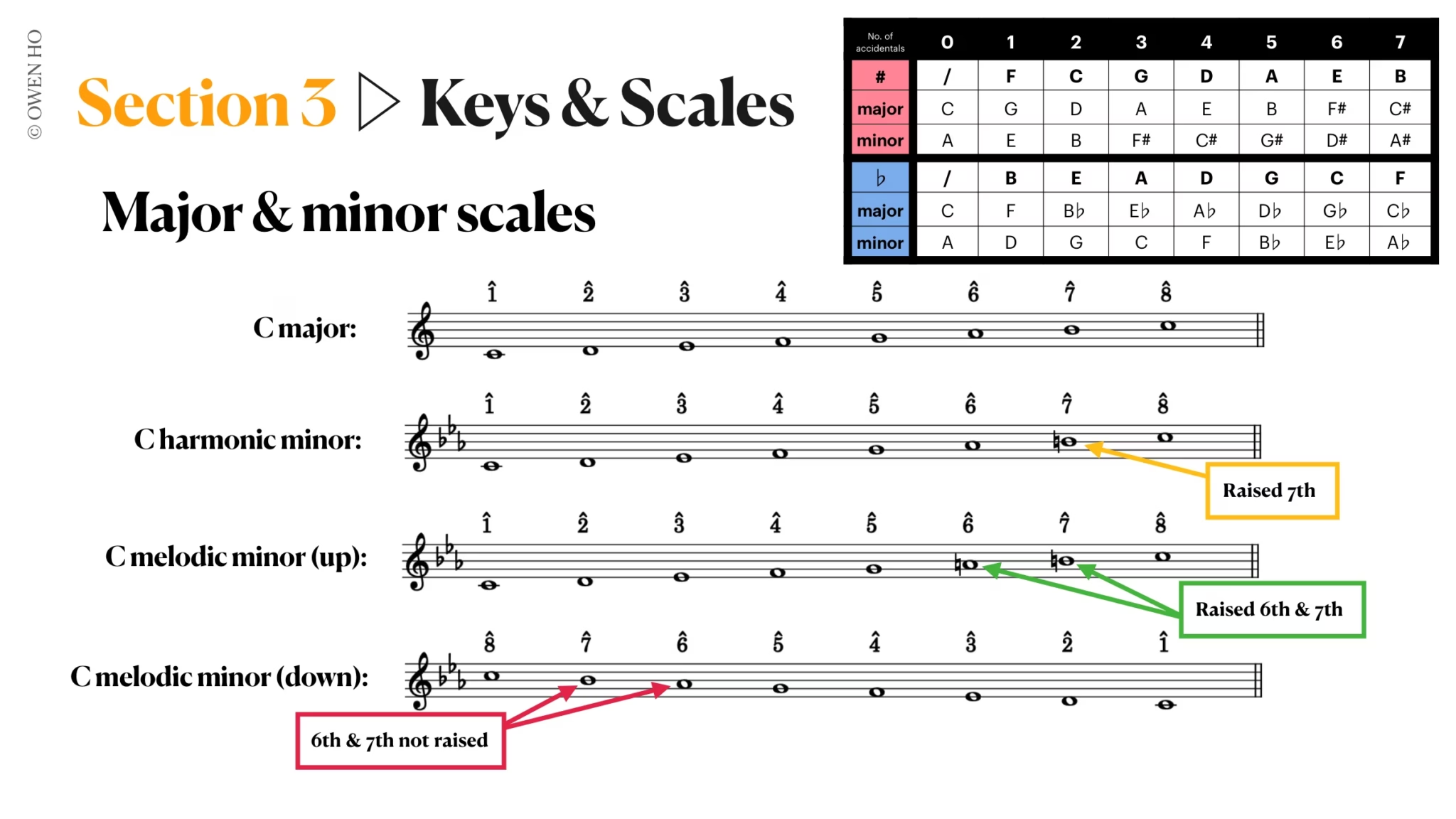
Section 3.3 of the ABRSM Grade 5 Music Theory exam tests your ability to identify the key of a melody. You’ll be given a question like this: “Circle the correct key of each of these three melodies.” You’ll see three short melodies with options for both major and minor keys. Unlike previous sections, you’re not…
-
Some Thoughts on Counterpoint
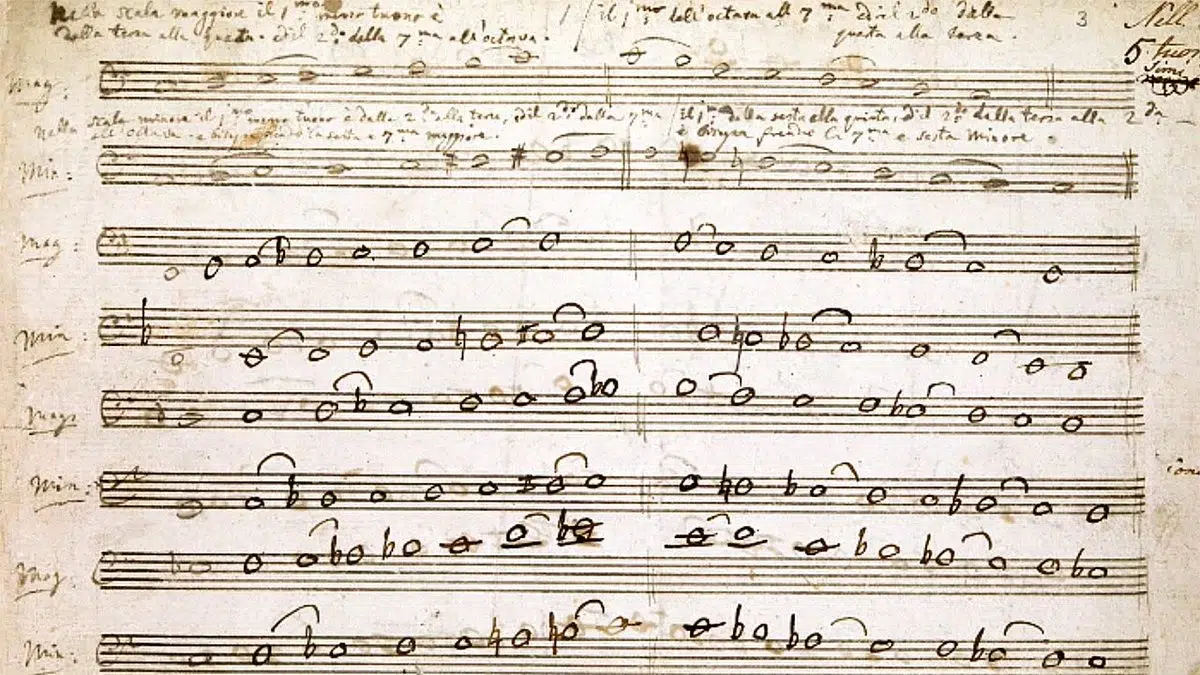
I love counterpoint, perhaps more than harmony. It’s not just a compositional technique—it’s a way of thinking about music as a structure, where independent voices converge, clash, and harmonise in ways that feel both inevitable and surprising. For me, writing contrapuntally is like solving a puzzle, or doing sudoku, but one where every choice has…
-
Transitioning from ABRSM Grade 5 to Grade 6: Tips & Insights

The transition from ABRSM Grade 5 to Grade 6 in music theory marks a significant shift from foundational knowledge to advanced analytical and creative skills. Grade 6 emphasises skills-based assessments, including composition and analysis, requiring higher-order thinking. Students should adopt independent study habits and anticipate a longer preparation period for success.
-
How to Excel in A Level Music Composing: Tips from a Composer
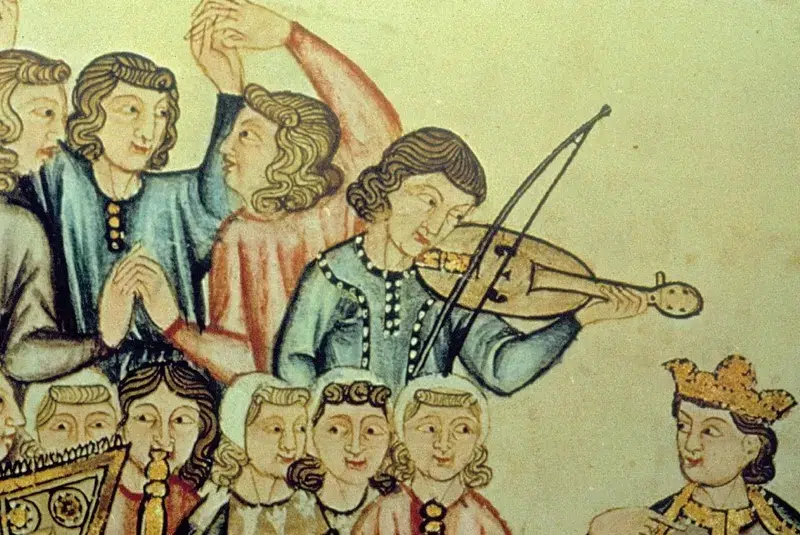
I am a composer in my professional life, and I understand firsthand the challenges and rewards that come with composing music at A Level. This component is not just about creating a piece of music; it’s an opportunity to express your musical identity while demonstrating technical and creative skills. As you embark on this journey,…
-
ABRSM Grade 5 Music Theory: Section 6.3 — Orchestral Instruments Guide
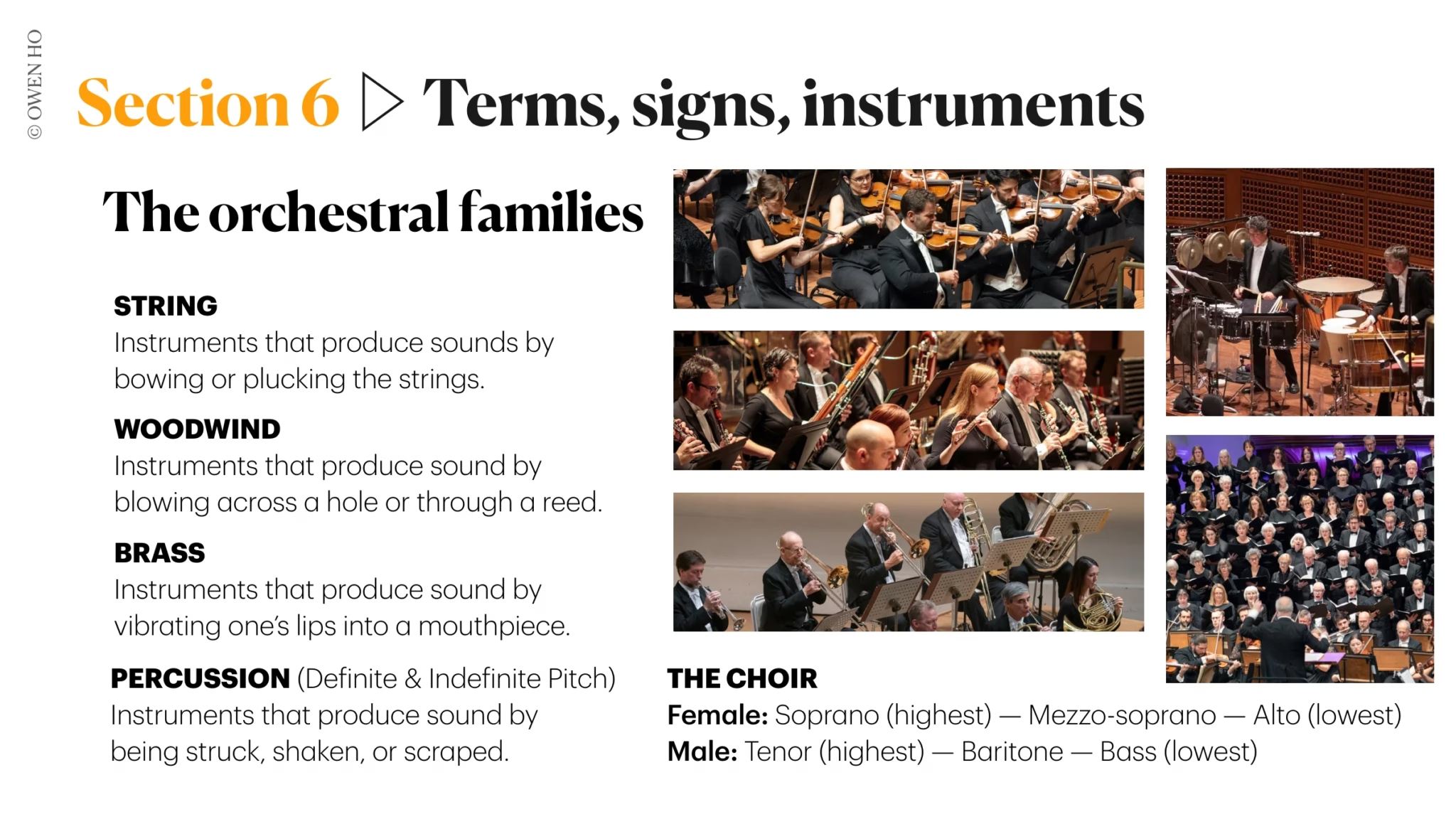
Section 6.3 of the ABRSM Grade 5 Music Theory exam tests your knowledge of orchestral instruments. You’ll be given a question like this: “Circle true or false for each of the following five statements.” The statements might look like: “The oboe usually plays at a lower pitch than the bassoon.” → False “The horn is…
-
ABRSM Grade 5 Music Theory: Section 3.5 — How to Identify Minor Scales from Notes
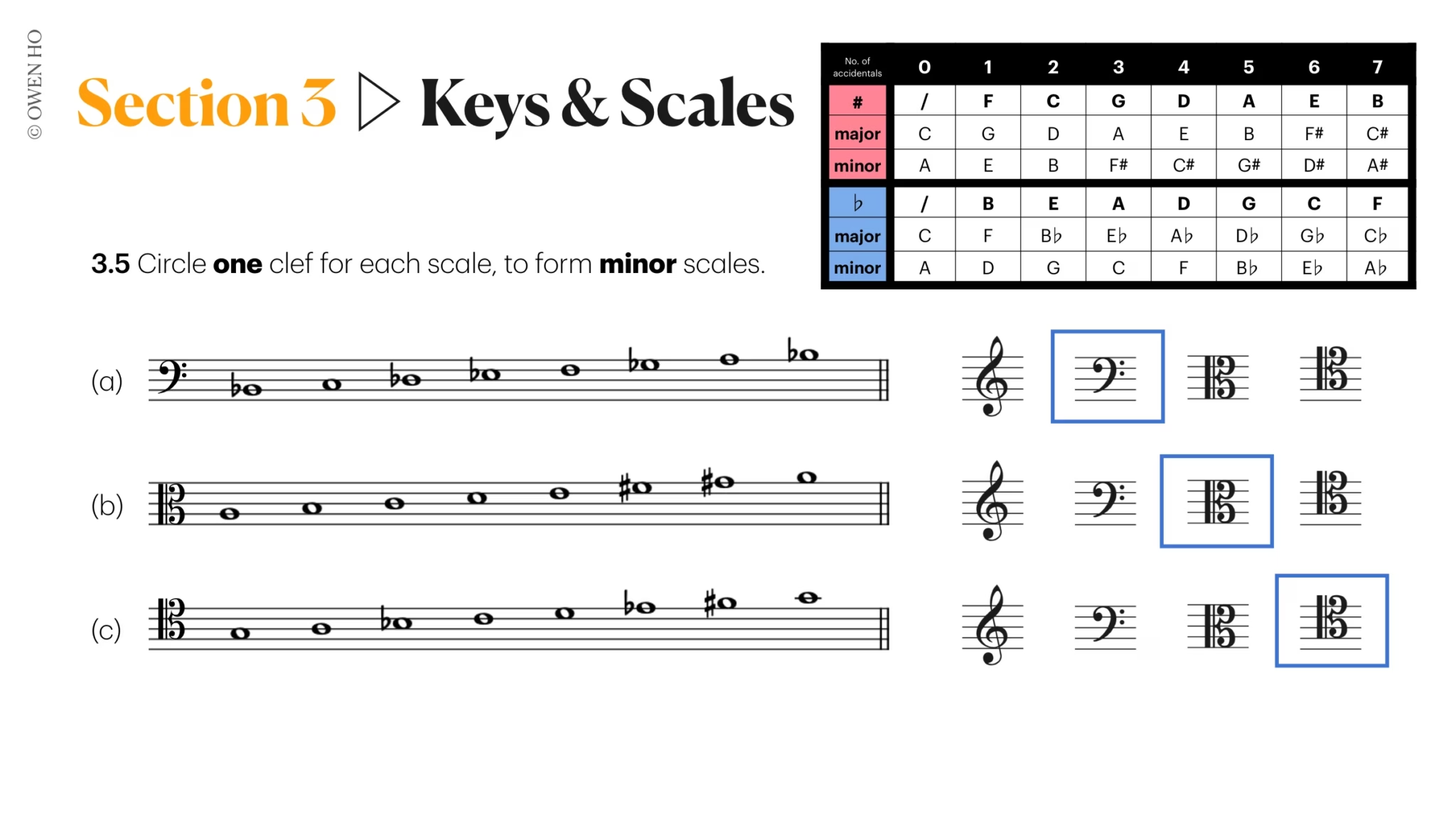
Section 3.5 of the ABRSM Grade 5 Music Theory exam tests your ability to identify the correct clef for a minor scale. You’ll be given a question like this: “Circle one clef for each scale to form minor scales.” You’ll see a scale written without a clef. Your job is to try each clef one…
-
ABRSM Grade 5 Music Theory: Section 1.4 — How to Group Notes Correctly
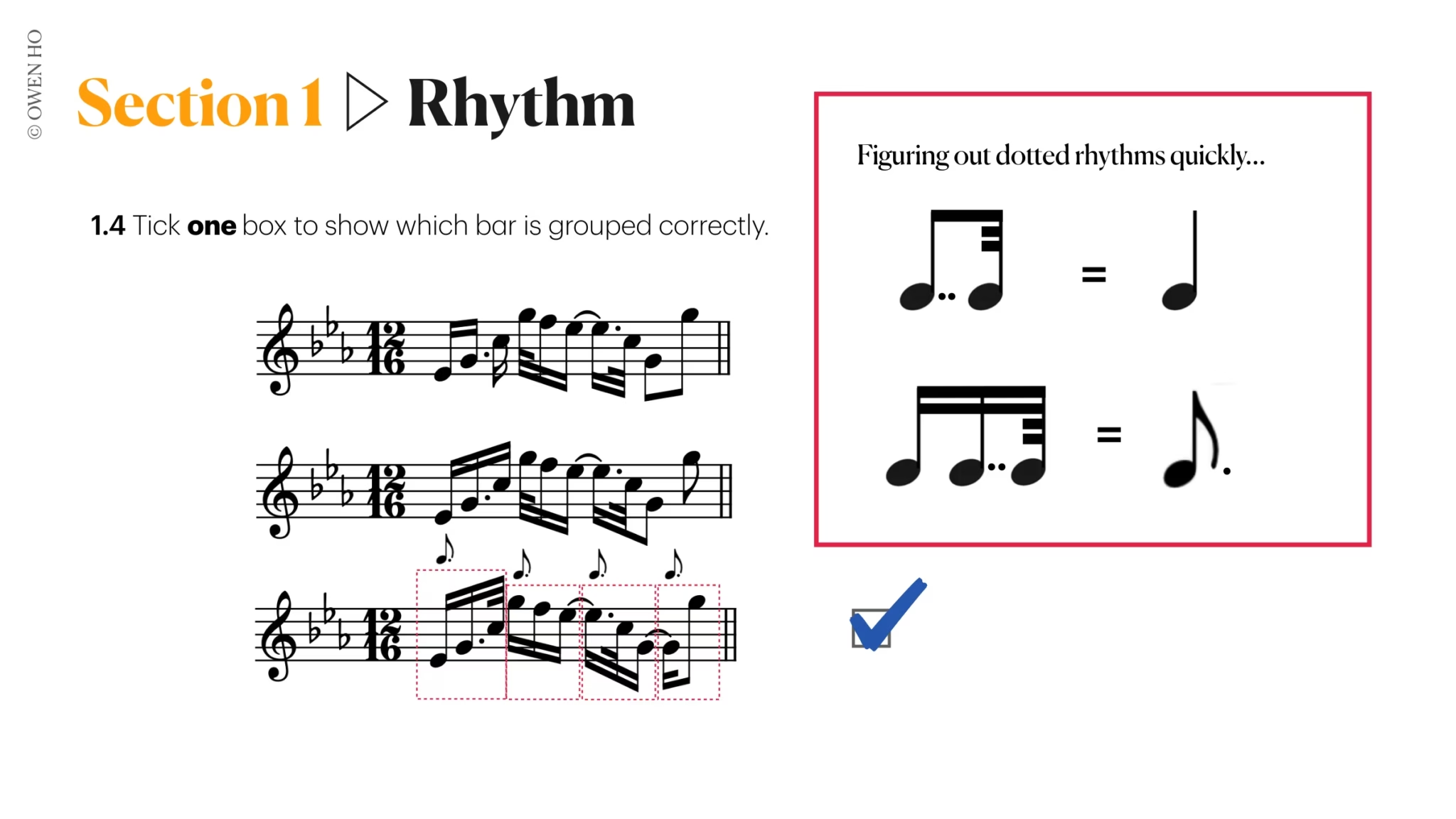
Section 1.4 of the ABRSM Grade 5 Music Theory exam tests your knowledge of note grouping. You’ll be given three options and asked to choose the one that reflects the correct grouping of notes. At first glance, all the options might look similar—they often contain exactly the same total number of beats. The difference lies…
-
Why Learning Terms & Signs Matters in Grade 5 Music Theory
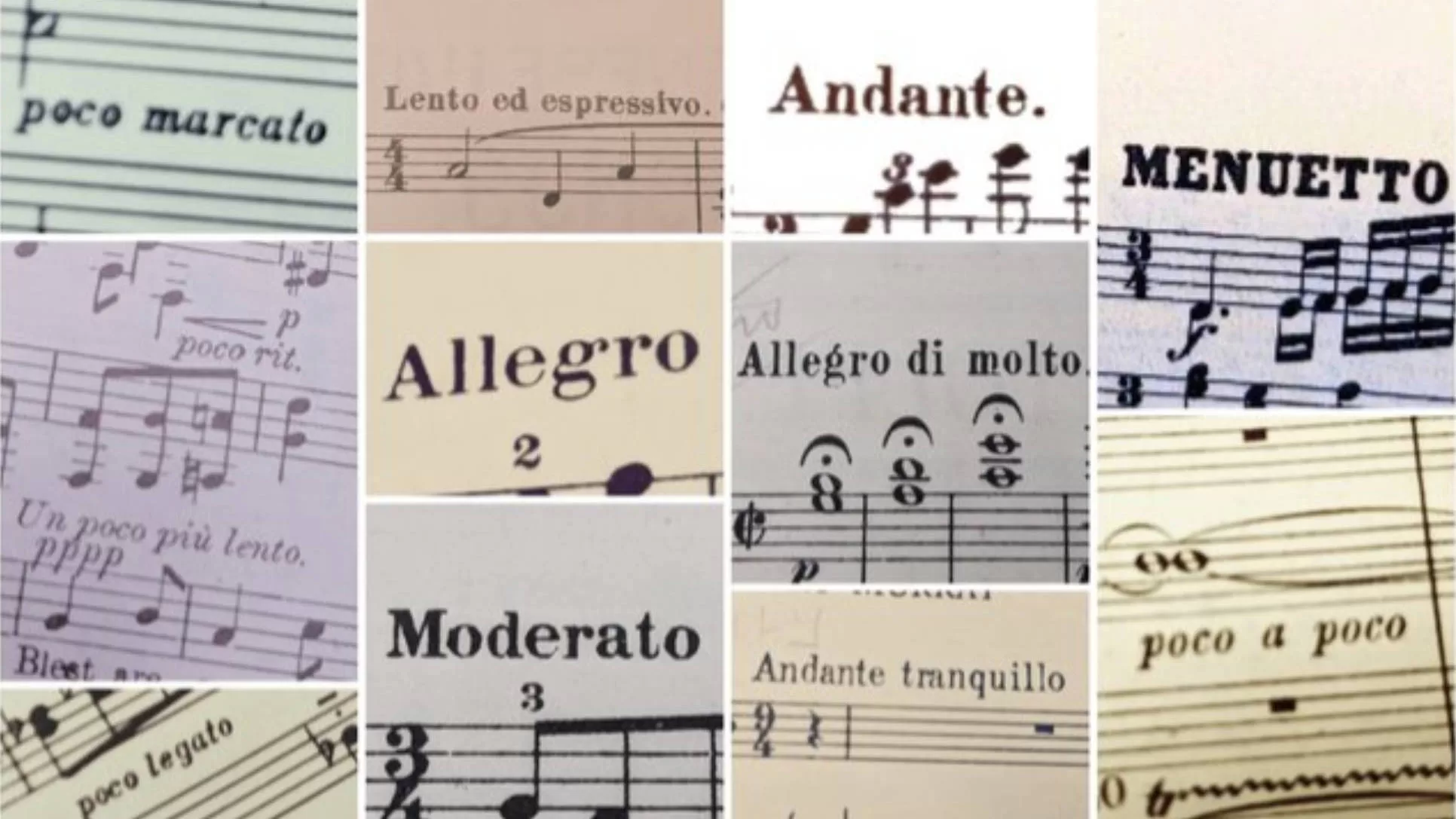
Preparing for the ABRSM Grade 5 Music Theory Exam involves mastering 134 essential musical terms. While it may seem daunting, these terms enhance your performance, interpretation, and exam success. Understanding dynamics, articulation, and expressions not only earns easy marks but also builds confidence and improves your overall musicianship.
-
ABRSM Grade 5 Music Theory: Section 5.2 — How to Identify Cadences
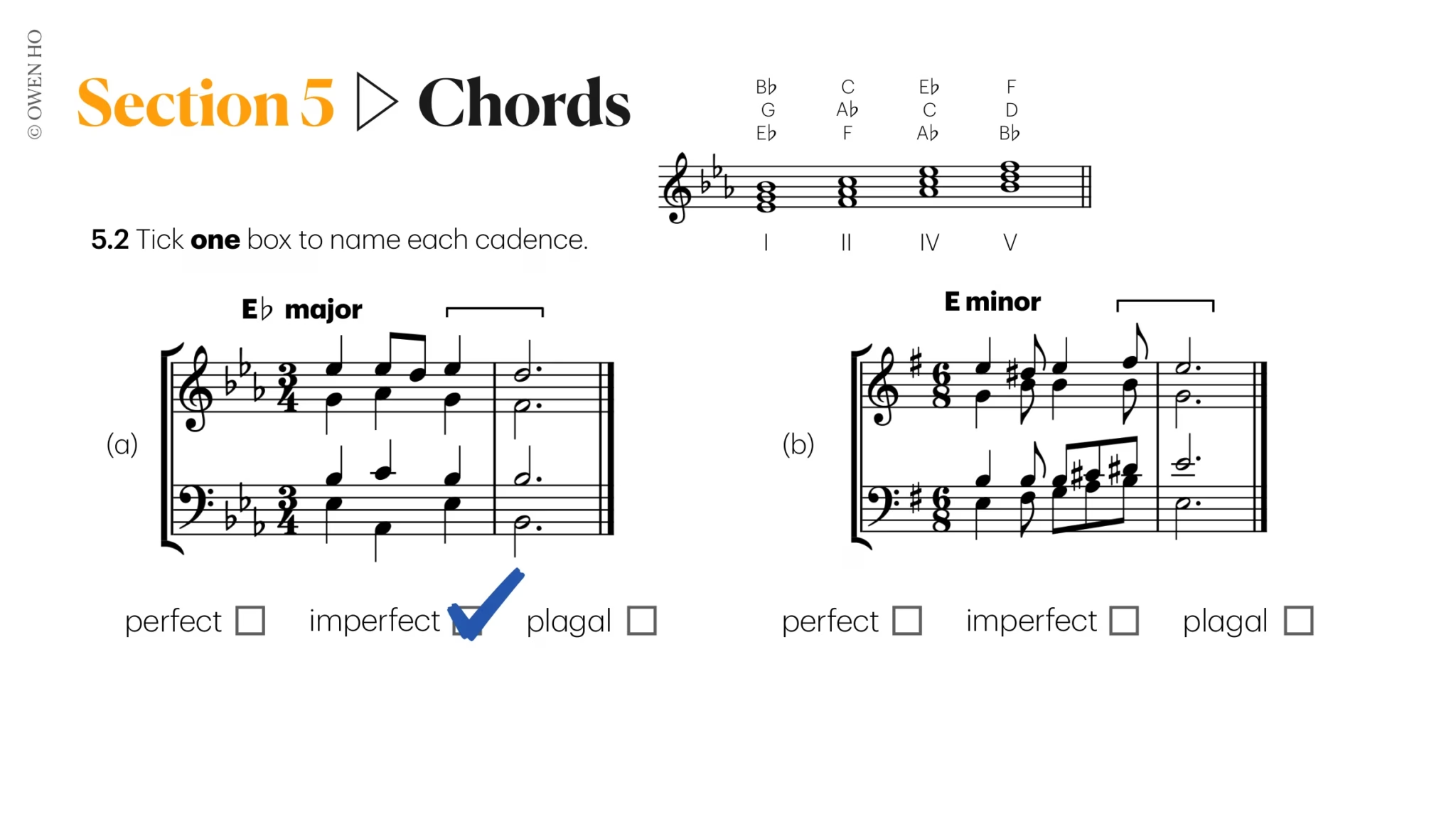
Section 5.2 of the ABRSM Grade 5 Music Theory exam tests your ability to identify cadences. You’ll be given a question like this: “Tick one box to name each cadence.” This section builds directly on what you learned in Section 5.1. There’s nothing new here – it’s just about applying your knowledge of chords and…
-
Free ABRSM Grade 5 Music Theory Past Papers: The Complete Guide (And Where to Get Them)
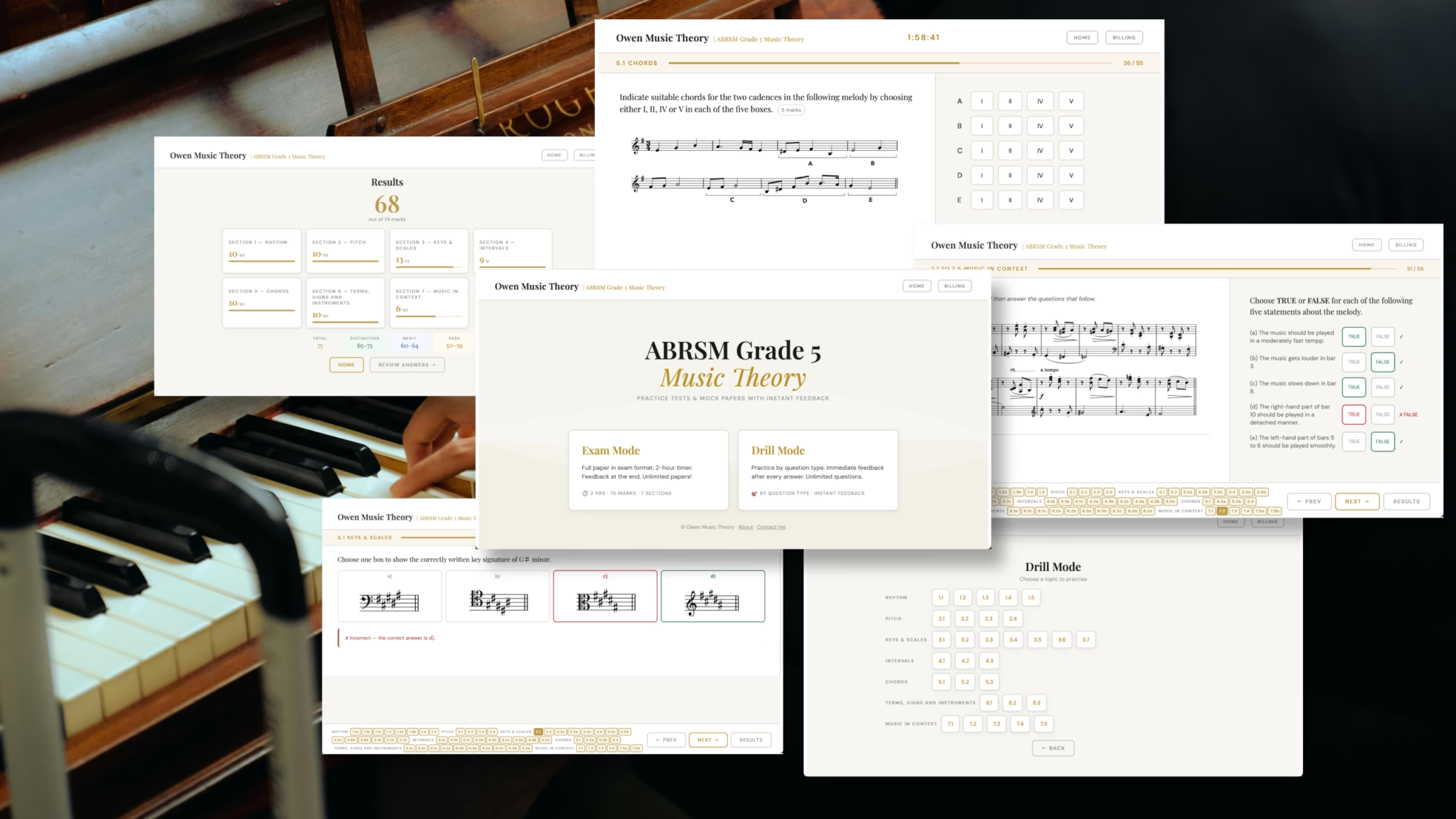
Looking for free ABRSM Grade 5 Music Theory papers and practice questions? Here’s what actually works — including a free interactive drill and exam mode you can try right now.
-
ABRSM Grade 5 Music Theory: Section 5.3 — Chord Inversions Explained
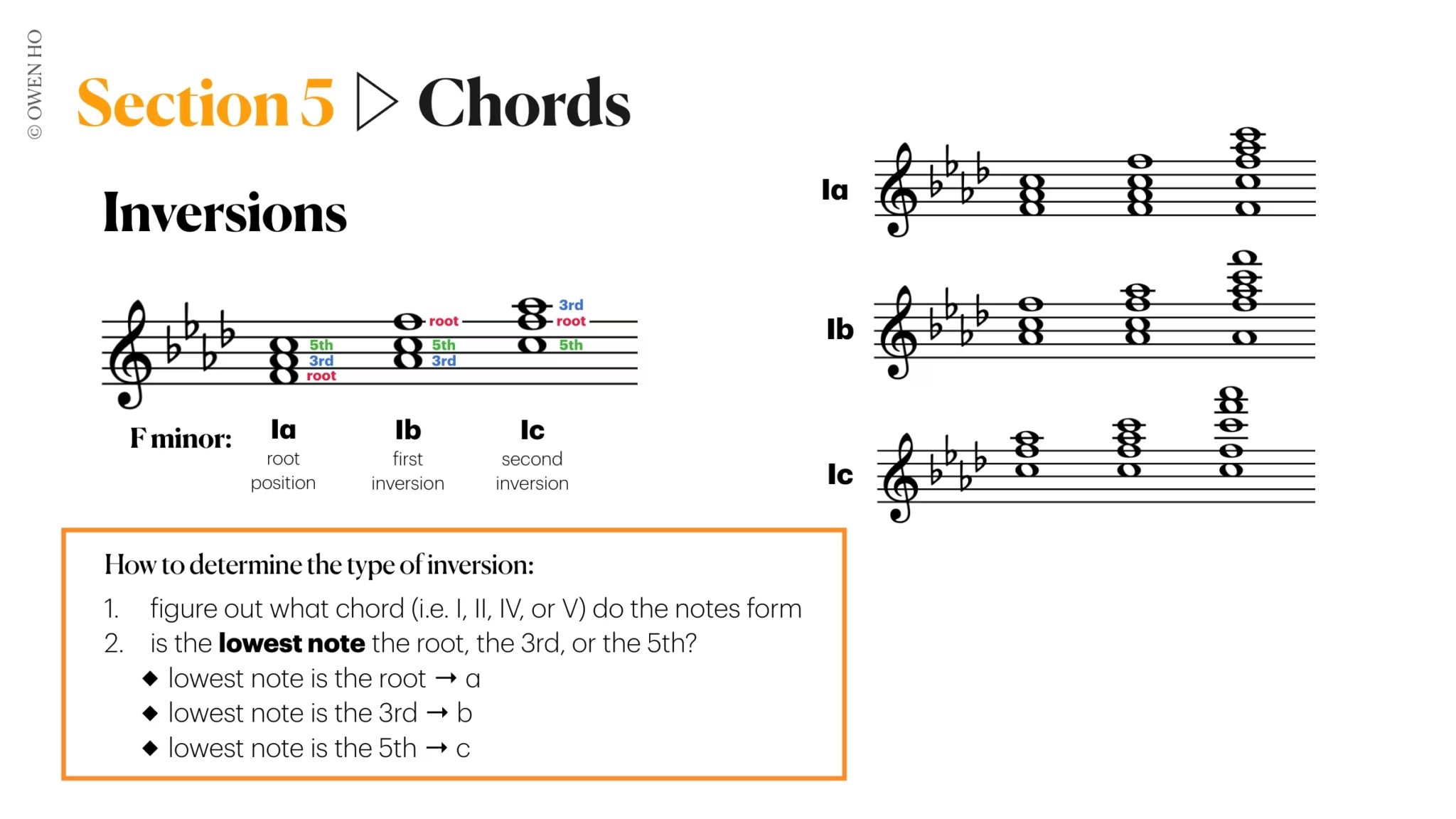
Section 5.3 of the ABRSM Grade 5 Music Theory exam tests your knowledge of chord inversions. You’ll be given a question like this: “Tick one box to name each of the three marked chords. The key is E major.” To answer these questions, you need to understand what inversions are and how to identify them.…
-
ABRSM Grade 5 Music Theory: Sections 6.1 & 6.2 — Terms, Signs, and Ornaments Guide
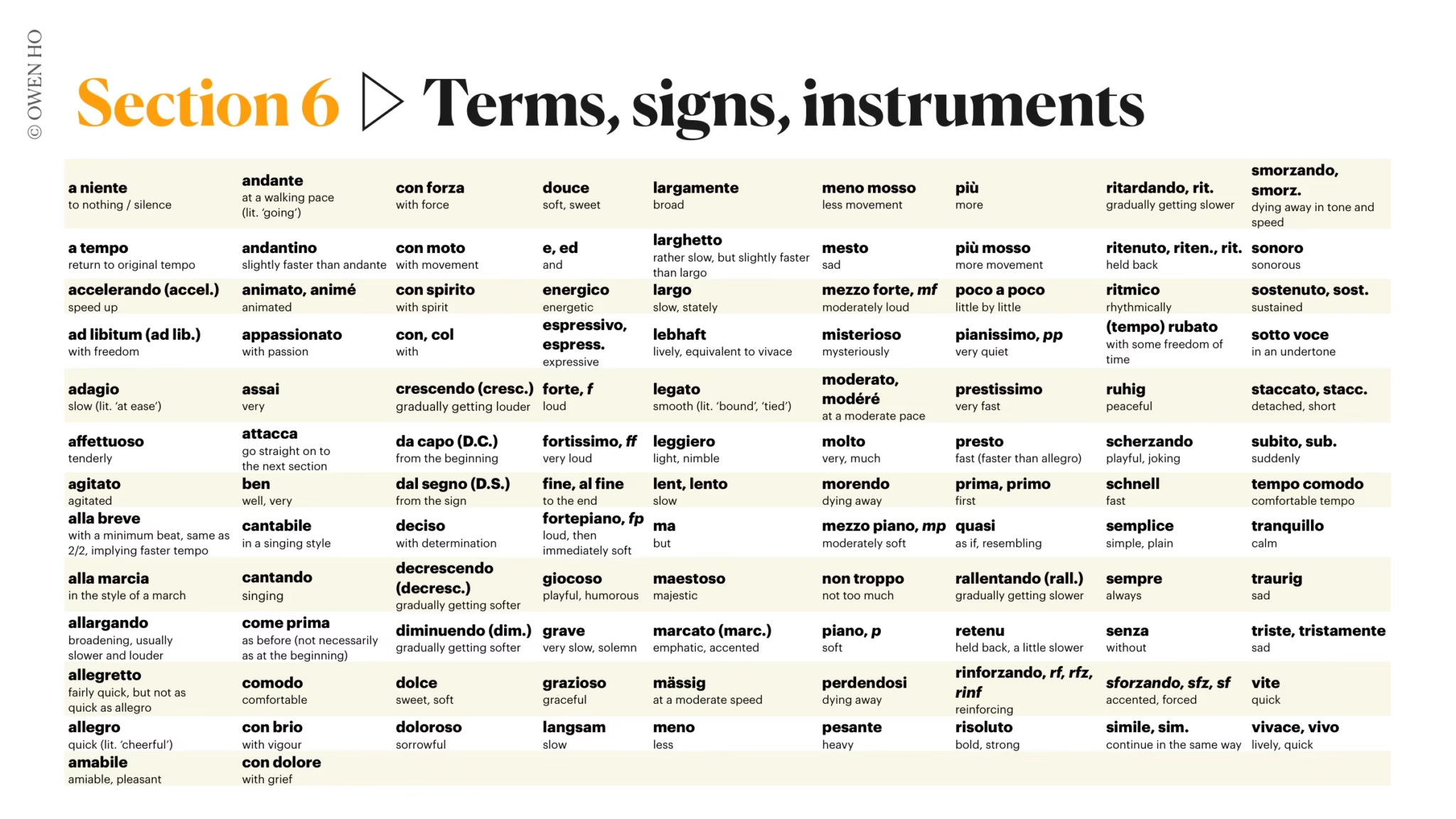
Sections 6.1 and 6.2 of the ABRSM Grade 5 Music Theory exam test your knowledge of musical terms, signs, and ornaments. In Section 6.1, you’ll be asked to identify the meaning of musical terms and signs. In Section 6.2, you’ll need to recognise written-out ornaments. Here’s everything you need to know.
-
Introducing ABRSM Grade 8 Music Theory

The ABRSM Grade 8 Music Theory exam marks the pinnacle of academic achievement within the ABRSM theory framework. It demands a sophisticated understanding of harmony, structure, and historical practices, offering students the tools to engage with music at a professional level. This exam will challenge your creative thinking, analytical skills, and stylistic awareness, preparing you…
-
ABRSM Grade 5 Music Theory: Section 1.1 — Time Signatures
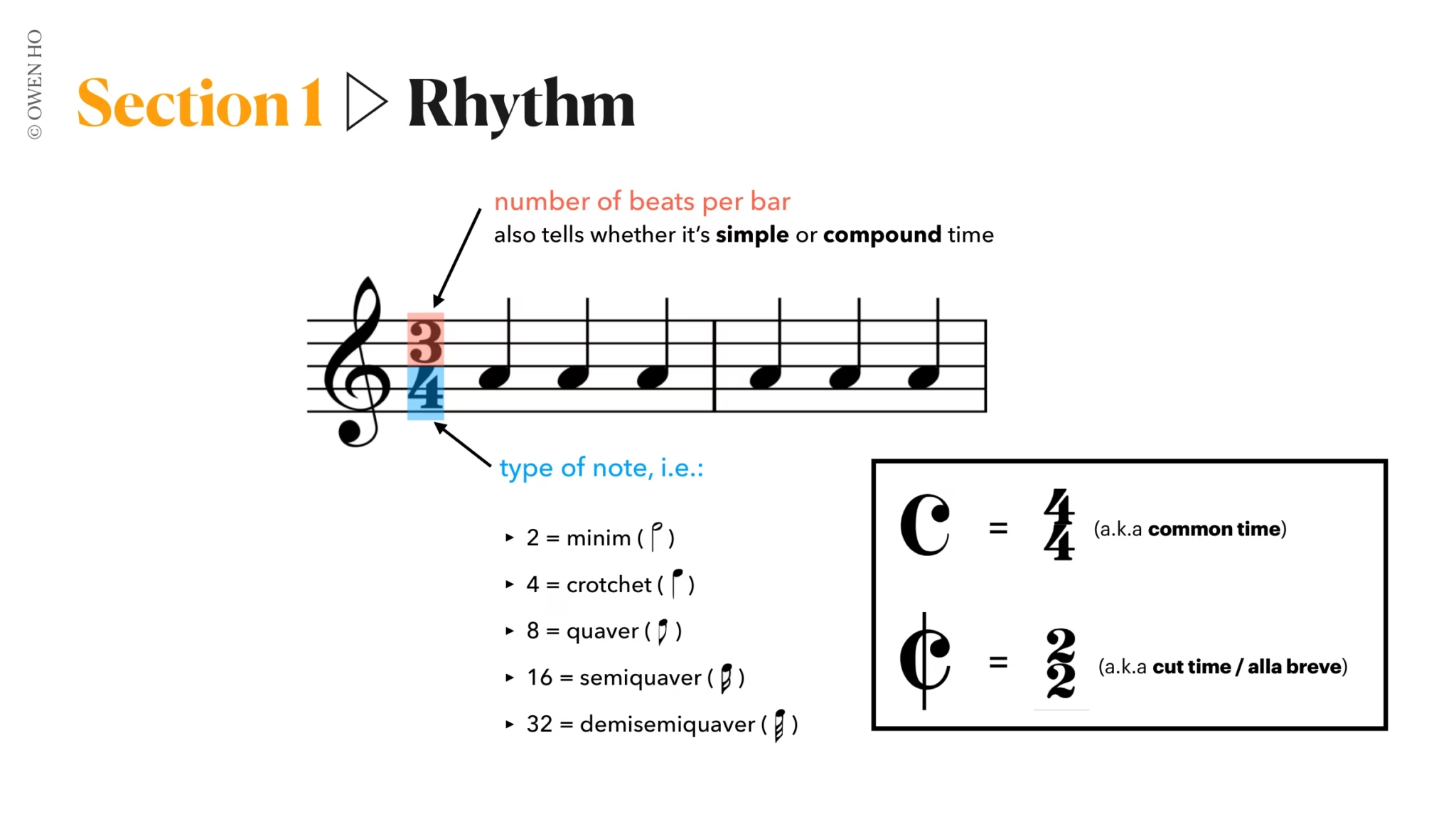
Section 1.1 of the ABRSM Grade 5 Music Theory exam is all about rhythm and time signatures. In this part of the exam, you will be given three multiple-choice questions asking you to identify the correct time signature for a given bar. To answer these questions confidently, you need to be comfortable with note values, rests,…
-
Who Was Wolfgang Amadeus Mozart?
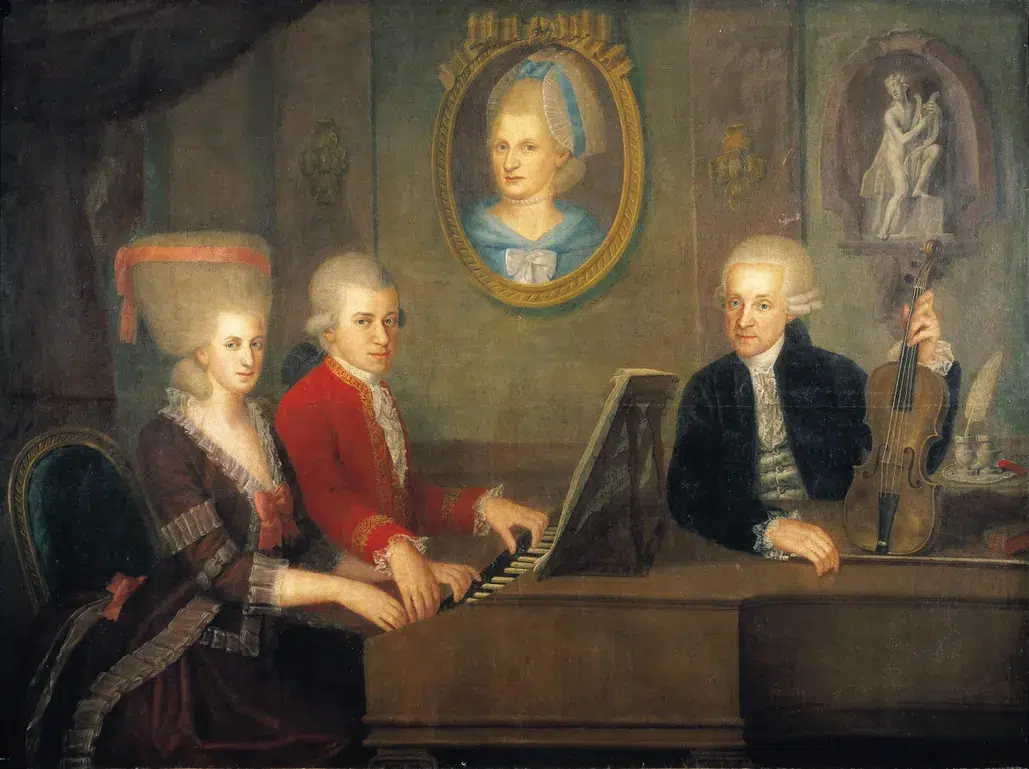
Few composers have made as significant an impact on the world of music as Wolfgang Amadeus Mozart. Born on January 27, 1756, in Salzburg, Austria, Mozart was not just a prodigy; he was a revolutionary figure whose works transcended the norms of his time. With an extraordinary ability to craft intricate melodies and harmonies, his…