Music Theory

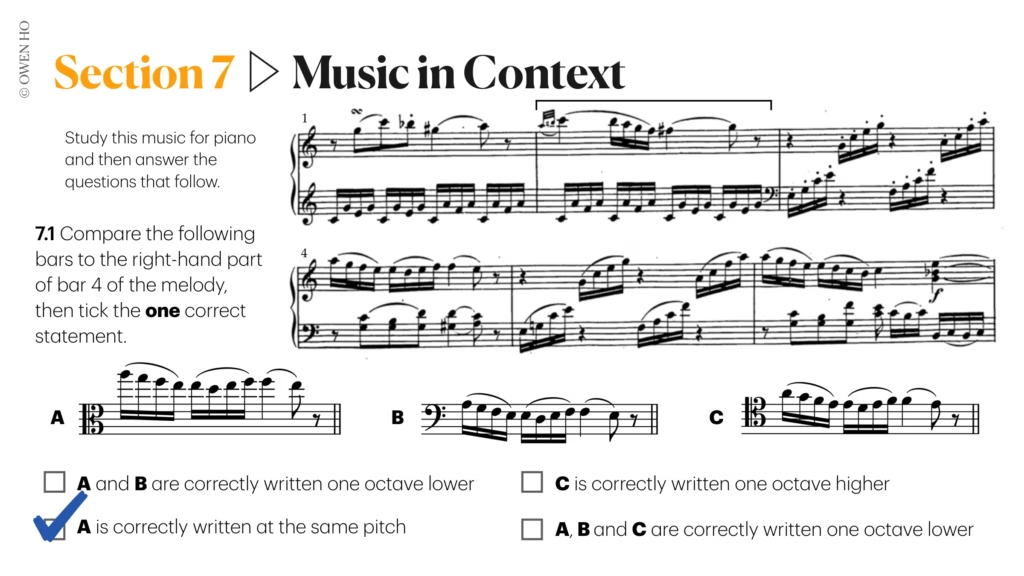
music in context - comparing octaves

ABRSM Grade 5 Music Theory: Sections 7.1–7.5 — Music in Context Guide

Sections 7.1 to 7.5 form the final section of the ABRSM Grade 5 Music Theory exam. This is where you apply everything you’ve learned to a short piece of music. There are five subsections, each testing a different skill. All the questions involve knowledge you’ve already learned – it’s just about putting it into practice in the context of a real piece. Here’s everything you need to know.

ABRSM Grade 5 Music Theory: Sections 7.1–7.5 — Music in Context Guide Read More »
orchestral instruments

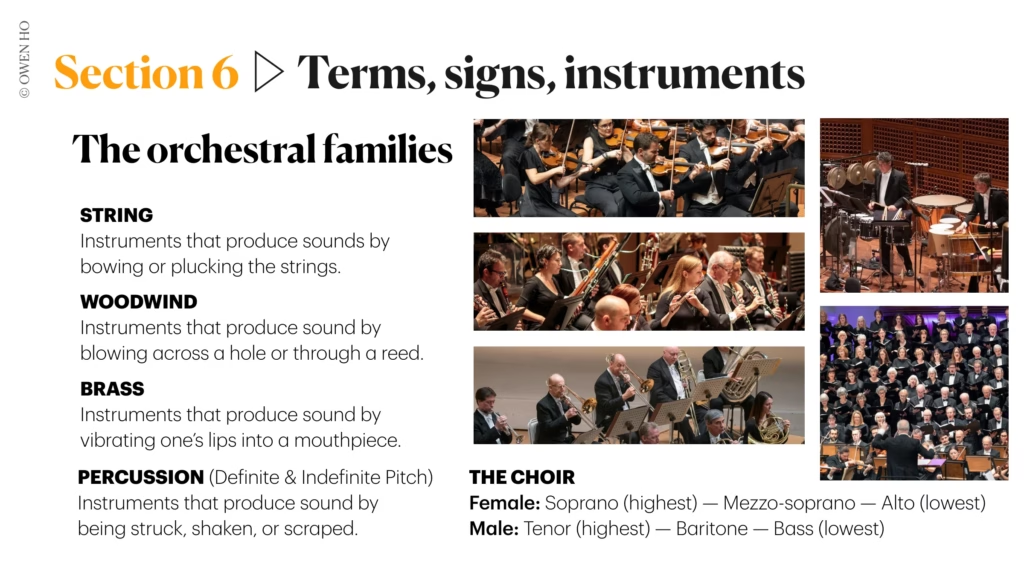
ABRSM Grade 5 Music Theory: Section 6.3 — Orchestral Instruments Guide

Section 6.3 of the ABRSM Grade 5 Music Theory exam tests your knowledge of orchestral instruments. You’ll be given a question like this: “Circle true or false for each of the following five statements.” The statements might look like: “The oboe usually plays at a lower pitch than the bassoon.” → False “The horn is a woodwind instrument.” → False “The bass drum produces sound of indefinite pitch.” → True To answer these questions, you need to know the instrument families, their characteristics, and transpositions.

ABRSM Grade 5 Music Theory: Section 6.3 — Orchestral Instruments Guide Read More »

chord inversions explained

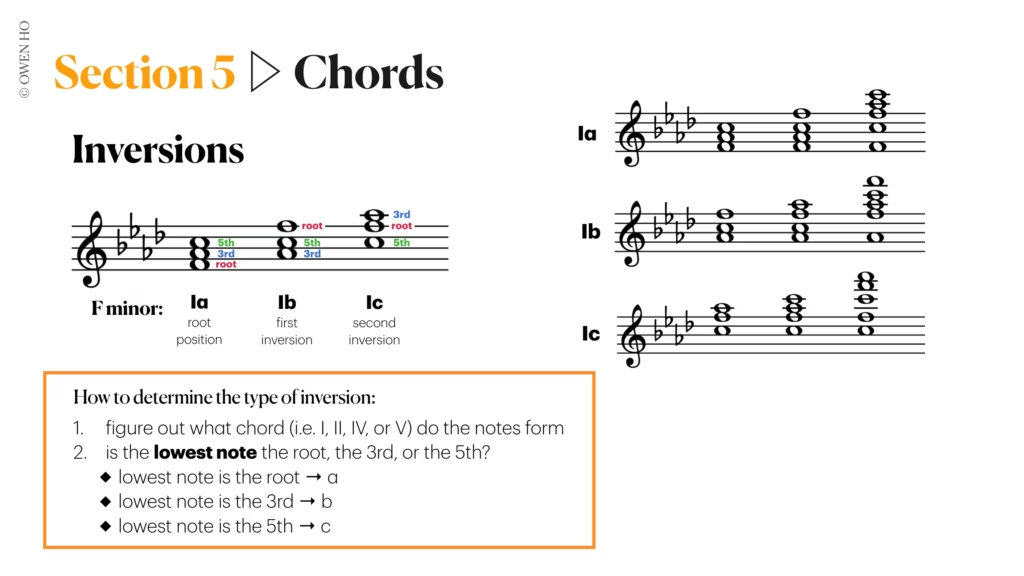
ABRSM Grade 5 Music Theory: Section 5.3 — Chord Inversions Explained

Section 5.3 of the ABRSM Grade 5 Music Theory exam tests your knowledge of chord inversions. You’ll be given a question like this: “Tick one box to name each of the three marked chords. The key is E major.” To answer these questions, you need to understand what inversions are and how to identify them. Here’s everything you need to know.

ABRSM Grade 5 Music Theory: Section 5.3 — Chord Inversions Explained Read More »

cadences

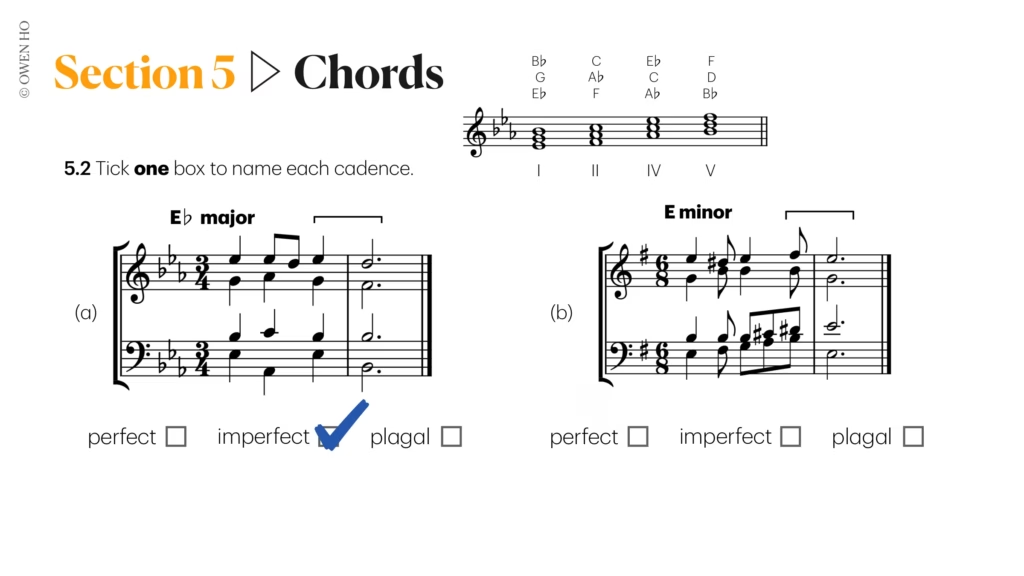
ABRSM Grade 5 Music Theory: Section 5.2 — How to Identify Cadences

Section 5.2 of the ABRSM Grade 5 Music Theory exam tests your ability to identify cadences. You’ll be given a question like this: “Tick one box to name each cadence.” This section builds directly on what you learned in Section 5.1. There’s nothing new here – it’s just about applying your knowledge of chords and cadences.

Here’s everything you need to know.

ABRSM Grade 5 Music Theory: Section 5.2 — How to Identify Cadences Read More »

how to harmonise a melody

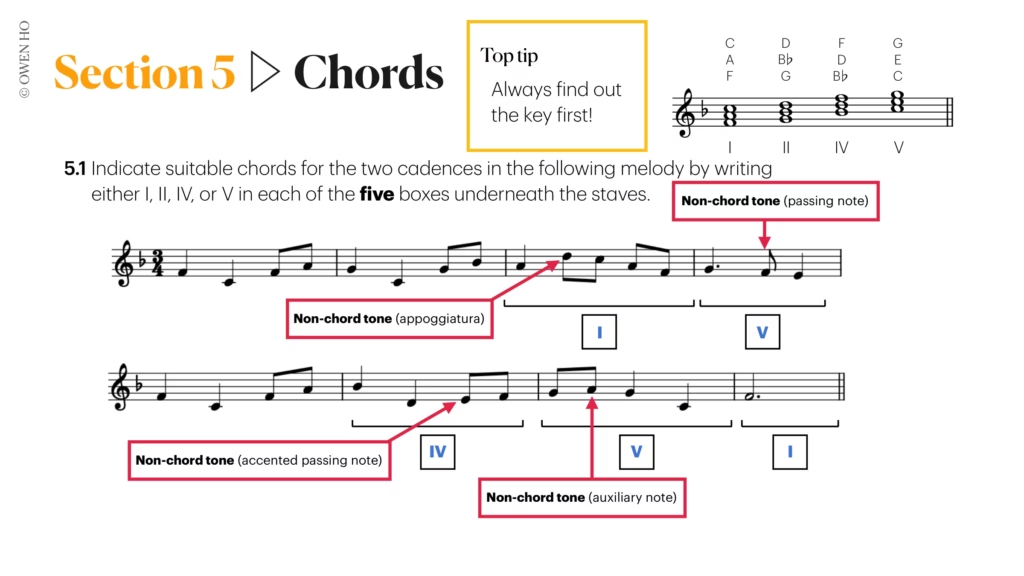
ABRSM Grade 5 Music Theory: Section 5.1 — Chords, Triads, and Cadences Explained

Section 5.1 of the ABRSM Grade 5 Music Theory exam tests your knowledge of chords and harmony. You’ll be given a question like this: “Indicate suitable chords for the two cadences in the following melody by writing either I, II, IV, or V in each of the five boxes underneath the staves.” To answer these questions, you need to understand triads, chord progressions, and cadences. Here’s everything you need to know.

ABRSM Grade 5 Music Theory: Section 5.1 — Chords, Triads, and Cadences Explained Read More »

music intervals explained

ABRSM Grade 5 Music Theory: Sections 4.1–4.3 — How to Identify Intervals

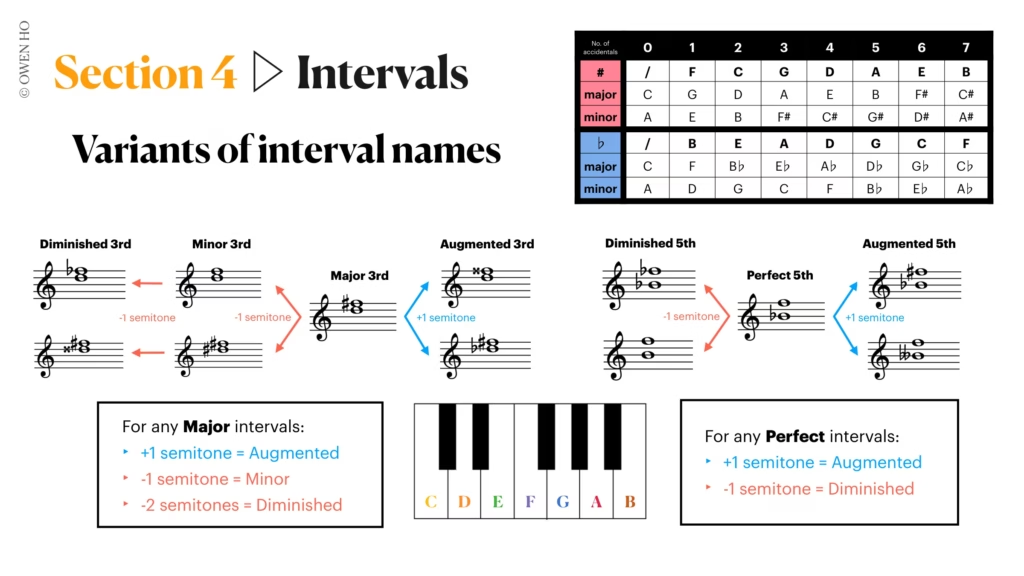
Sections 4.1, 4.2, and 4.3 of the ABRSM Grade 5 Music Theory exam test your knowledge of intervals – the distance between two notes. The three question types are: 4.1: Given two notes, circle the interval between them 4.2: Given two notes, circle the quality of the interval (major, minor, perfect, etc.) 4.3: Given a bass note and an interval name, write the note above Intervals can be one of the trickier topics in music theory because they build on your knowledge of key signatures and scales. But once you understand the system, it becomes consistent and logical. Here’s everything you need to know.

ABRSM Grade 5 Music Theory: Sections 4.1–4.3 — How to Identify Intervals Read More »

scale degree names

ABRSM Grade 5 Music Theory: Section 3.7 — Scale Degree Names Explained

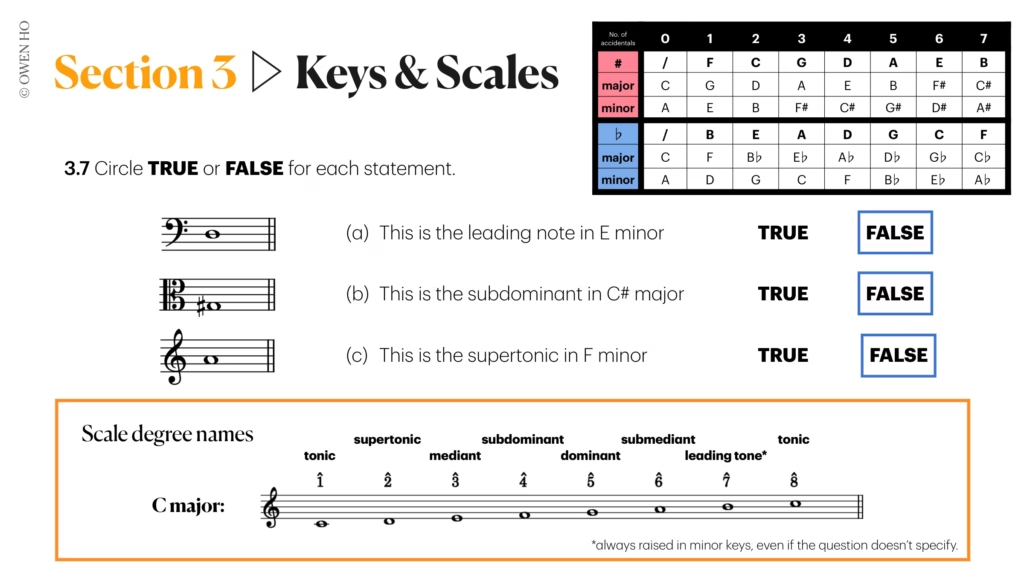
Section 3.7 of the ABRSM Grade 5 Music Theory exam tests your knowledge of scale degree names. You’ll be given a question like this: “Circle true or false for each statement.” The statements might look like: A. This is the leading tone in E minor. B. This is the subdominant in C sharp major. C. This is the supertonic in F minor. To answer these questions, you need to know the names of each degree of the scale. Here’s everything you need to know.

ABRSM Grade 5 Music Theory: Section 3.7 — Scale Degree Names Explained Read More »

chromatic scale rules

ABRSM Grade 5 Music Theory: Section 3.6 — How to Identify Chromatic Scales

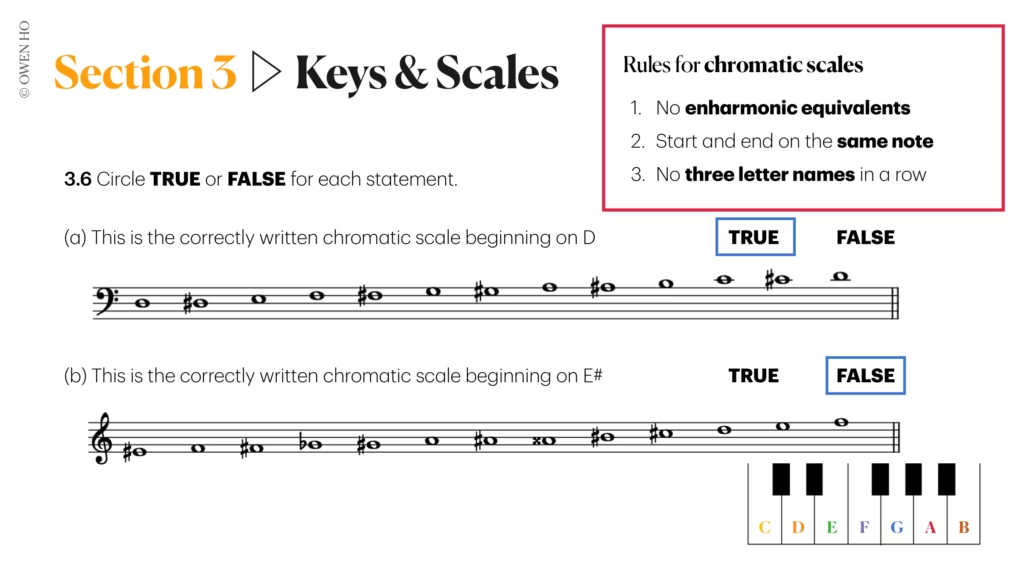
Section 3.6 of the ABRSM Grade 5 Music Theory exam tests your knowledge of chromatic scales. You’ll be given a question like this: “Circle true or false for each statement. This is the correctly written chromatic scale beginning on D.” A chromatic scale is simply a scale that covers every semitone within an octave. But there are specific rules about how it should be written. Here’s everything you need to know.

ABRSM Grade 5 Music Theory: Section 3.6 — How to Identify Chromatic Scales Read More »

choosing the correct clef to form a minor scale

ABRSM Grade 5 Music Theory: Section 3.5 — How to Identify Minor Scales from Notes

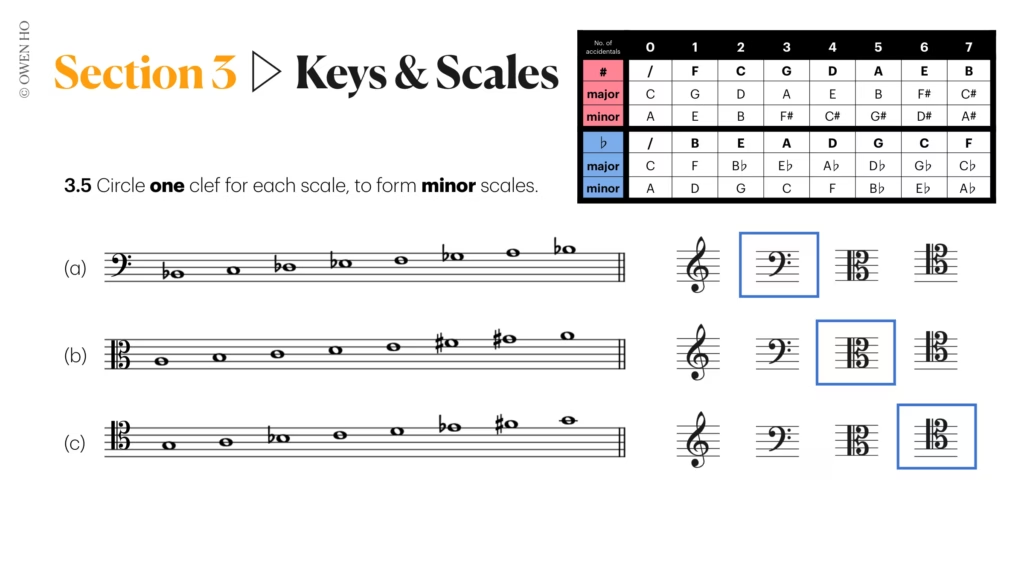
Section 3.5 of the ABRSM Grade 5 Music Theory exam tests your ability to identify the correct clef for a minor scale. You’ll be given a question like this: “Circle one clef for each scale to form minor scales.” You’ll see a scale written without a clef. Your job is to try each clef one by one until you find the correct one.

ABRSM Grade 5 Music Theory: Section 3.5 — How to Identify Minor Scales from Notes Read More »

fill in the missing notes (ascending melodic minor)

ABRSM Grade 5 Music Theory: Section 3.4 — How to Complete Melodic Minor Scales

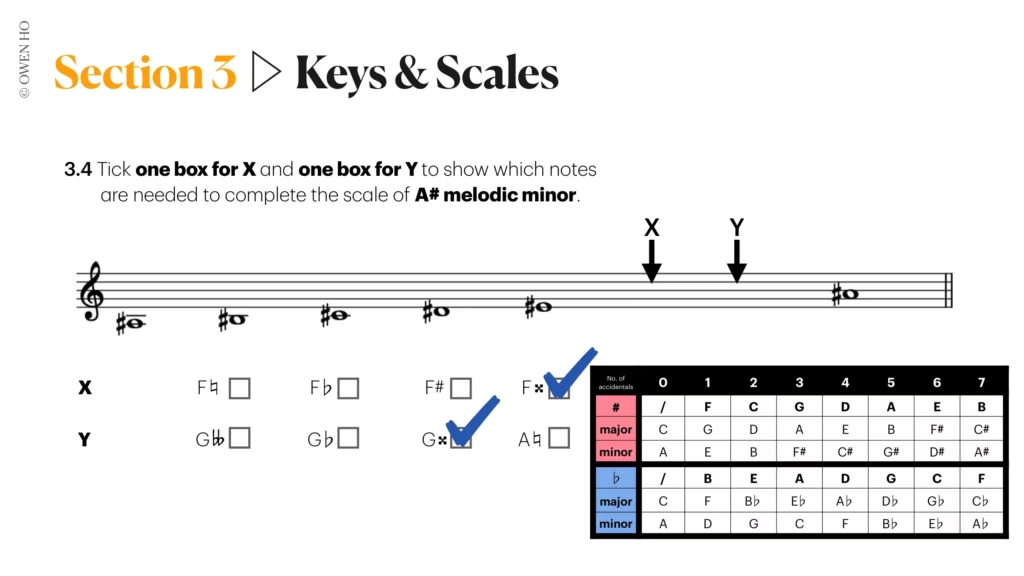
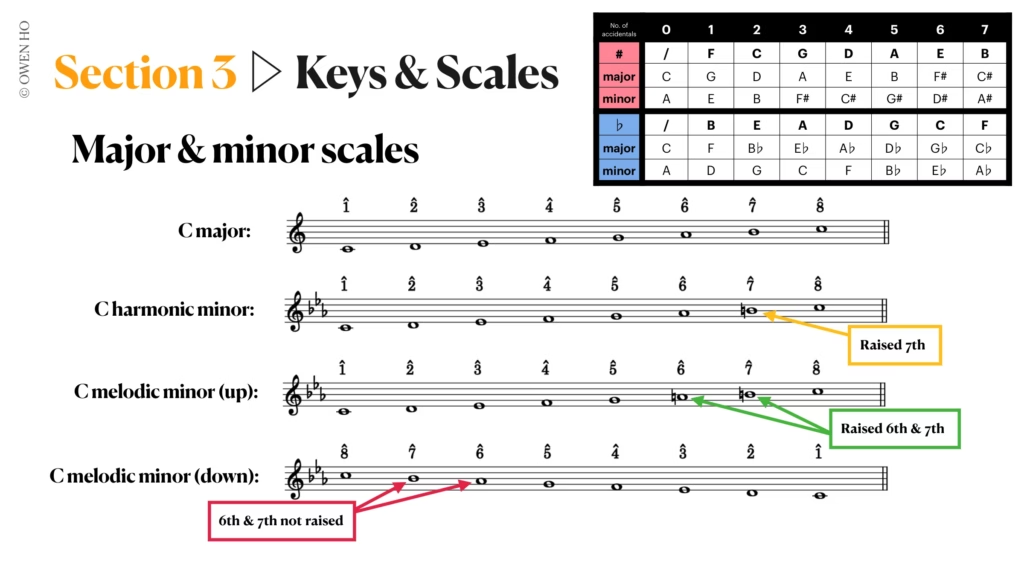
Section 3.4 of the ABRSM Grade 5 Music Theory exam tests your ability to complete a melodic minor scale. You’ll be given a question like this: “Tick one box for X and one box for Y to show which notes are needed to complete the scale of A sharp melodic minor.” To answer these questions, you need to know how melodic minor scales work – and when to raise the 6th and 7th notes. Here’s everything you need to know.

ABRSM Grade 5 Music Theory: Section 3.4 — How to Complete Melodic Minor Scales Read More »

harmonic and melodic minor scales

ABRSM Grade 5 Music Theory: Section 3.3 — How to Identify Major and Minor Keys

Section 3.3 of the ABRSM Grade 5 Music Theory exam tests your ability to identify the key of a melody. You’ll be given a question like this: “Circle the correct key of each of these three melodies.” You’ll see three short melodies with options for both major and minor keys. Unlike previous sections, you’re not given a key signature—you have to work out the key from the accidentals in the music. Here’s everything you need to know.

ABRSM Grade 5 Music Theory: Section 3.3 — How to Identify Major and Minor Keys Read More »

key signatures

ABRSM Grade 5 Music Theory: Sections 3.1 & 3.2 — How to Write Key Signatures Correctly

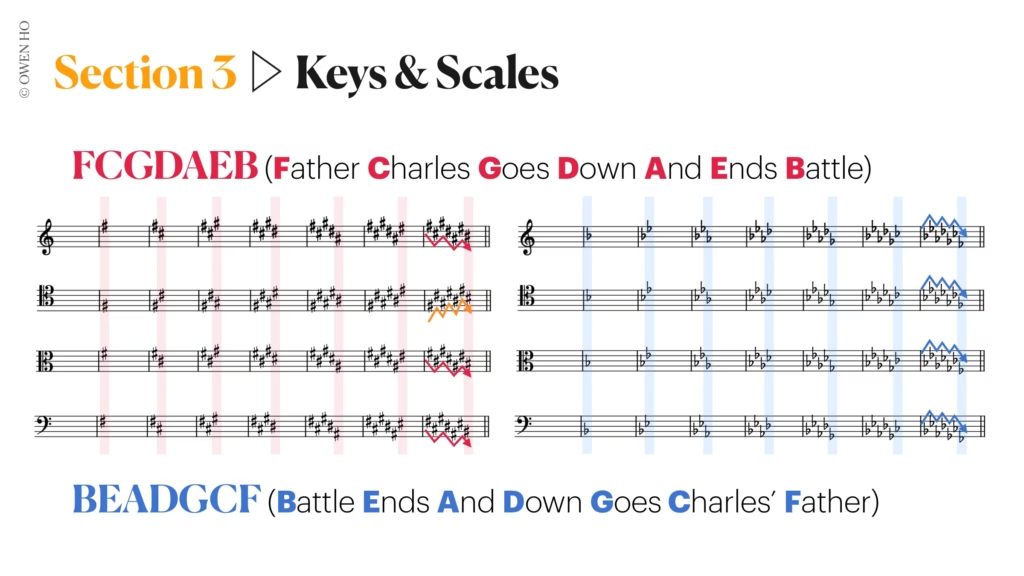
Sections 3.1 and 3.2 of the ABRSM Grade 5 Music Theory exam test your knowledge of key signatures. You’ll be given a question like this: “Tick one box to show the correctly written key signature of B major.” To answer these questions, you need to know two things: 1. Which accidentals are in the key signature 2. How they are laid out on the staff. Here’s everything you need to know.

ABRSM Grade 5 Music Theory: Sections 3.1 & 3.2 — How to Write Key Signatures Correctly Read More »

comparing octaves

ABRSM Grade 5 Music Theory: Section 2.4 — Comparing Pitches Across Clefs

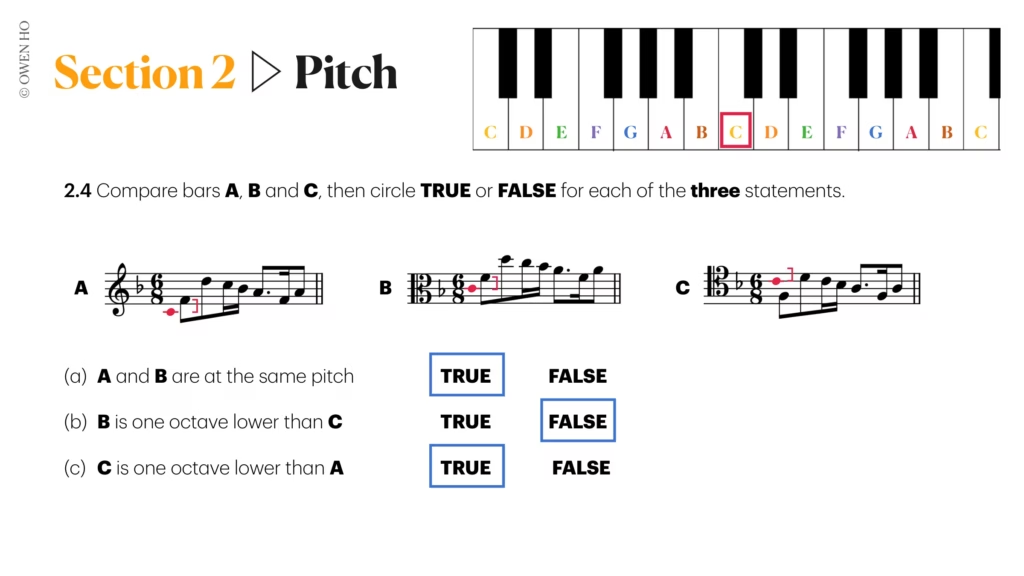
Section 2.4 of the ABRSM Grade 5 Music Theory exam tests your ability to compare pitches across different clefs. You’ll be given a question like this: “Compare bars A, B, and C. Circle true or false for each of the three statements.” The statements might look like: A and B are at the same pitch (True / False) B is one octave lower than C (True / False) C is one octave lower than A (True / False) This question is actually more straightforward than it looks—as long as you have a consistent method. Here’s everything you need to know.

ABRSM Grade 5 Music Theory: Section 2.4 — Comparing Pitches Across Clefs Read More »

transposing instruments

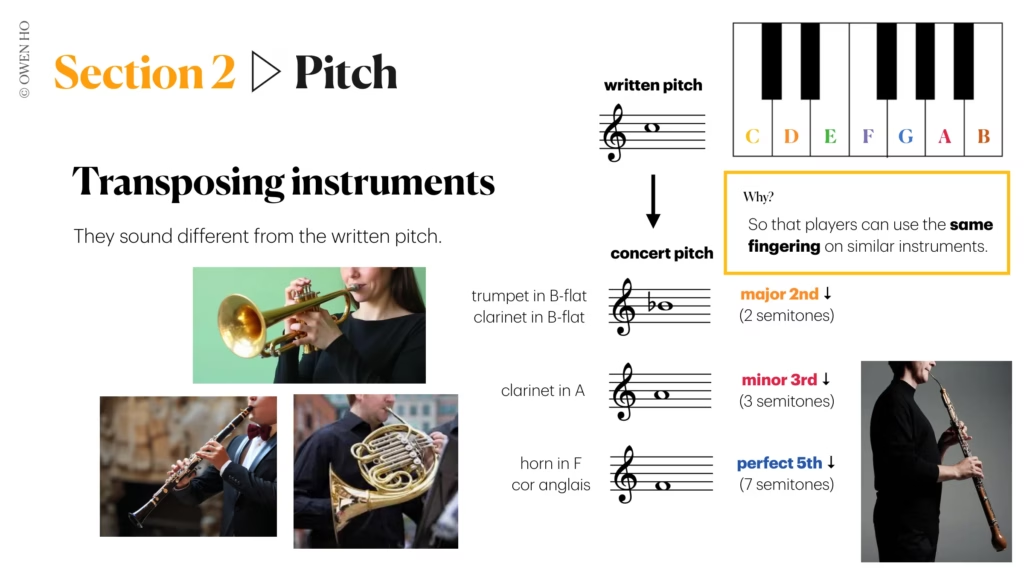
ABRSM Grade 5 Music Theory: Section 2.3 — Transposing Instruments Explained

Section 2.3 of the ABRSM Grade 5 Music Theory exam tests your knowledge of transposing instruments. You’ll be given a question like this: “Here is a bar written for the clarinet in B flat. This bar has been transposed down a major second to be at concert pitch. There are some mistakes. Put a tick or cross underneath the key signature and each note to show whether each is correct or incorrect.” This can seem tricky at first, but once you understand the key concepts, it becomes consistent and logical. Here’s everything you need to know.

ABRSM Grade 5 Music Theory: Section 2.3 — Transposing Instruments Explained Read More »

ledger lines

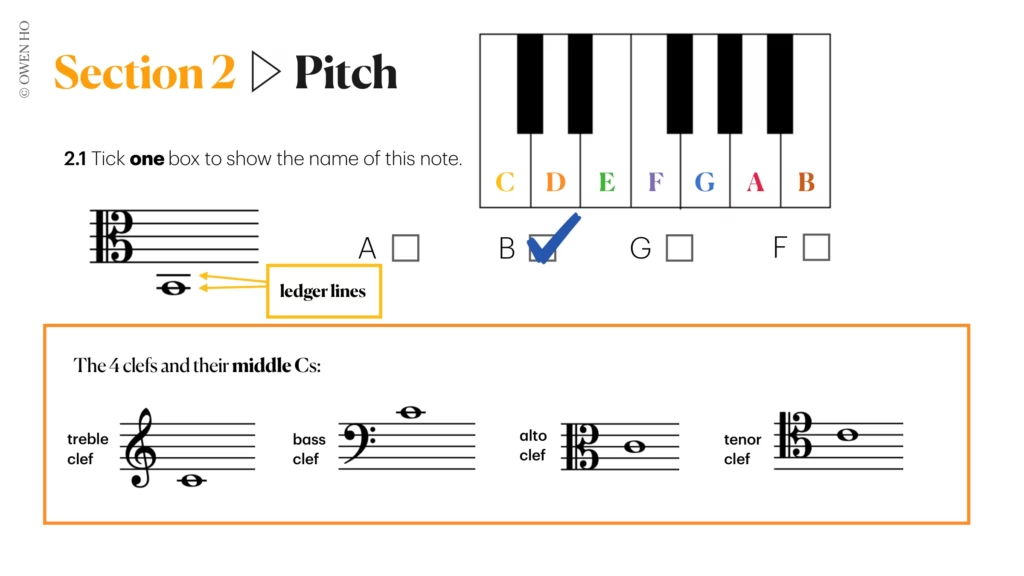
ABRSM Grade 5 Music Theory: Section 2.1 — How to Read Pitch and Clefs

Section 2.1 of the ABRSM Grade 5 Music Theory exam tests your knowledge of pitch and how to read notes correctly. You’ll be given a question like this: “Tick one box to show the name of this note.” By this stage, most students can identify notes from a score. But at Grade 5, there’s a catch—you need to know four different clefs, not just treble and bass. Here’s everything you need to know.

ABRSM Grade 5 Music Theory: Section 2.1 — How to Read Pitch and Clefs Read More »

grouping of rests 12/8

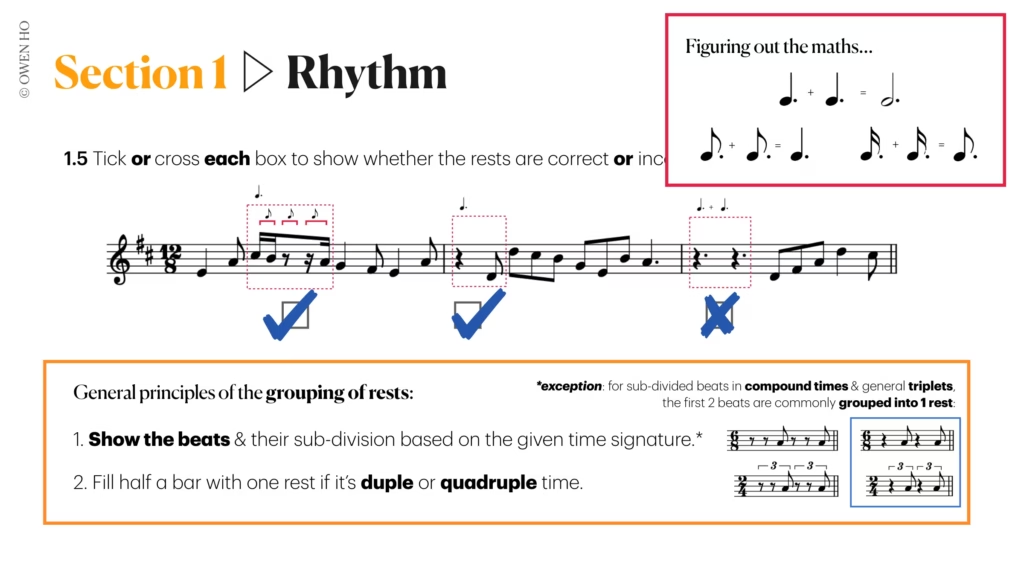
ABRSM Grade 5 Music Theory: Section 1.5 — How to Group Rests Correctly

Section 1.5 of the ABRSM Grade 5 Music Theory exam tests your knowledge of grouping rests. You’ll be given a piece of music with rests and asked to tick or cross each box to show whether the rests are correct or incorrect. At first glance, these questions can seem tricky. But once you understand a few key principles, they become much easier to tackle.

ABRSM Grade 5 Music Theory: Section 1.5 — How to Group Rests Correctly Read More »

grouping of notes in 12/16 time

ABRSM Grade 5 Music Theory: Section 1.4 — How to Group Notes Correctly

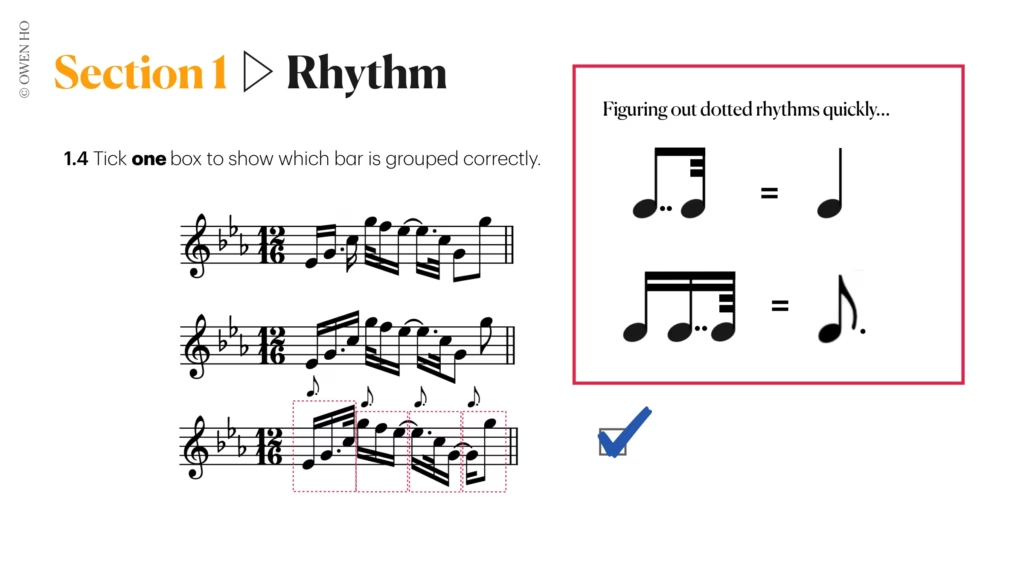
Section 1.4 of the ABRSM Grade 5 Music Theory exam tests your knowledge of note grouping. You’ll be given three options and asked to choose the one that reflects the correct grouping of notes. At first glance, all the options might look similar—they often contain exactly the same total number of beats. The difference lies in how the notes are grouped and beamed. Here’s everything you need to know to tackle these questions with confidence.

ABRSM Grade 5 Music Theory: Section 1.4 — How to Group Notes Correctly Read More »

simple time vs compound time

ABRSM Grade 5 Music Theory: Section 1.2 — How to Tackle Simple vs Compound Time Questions

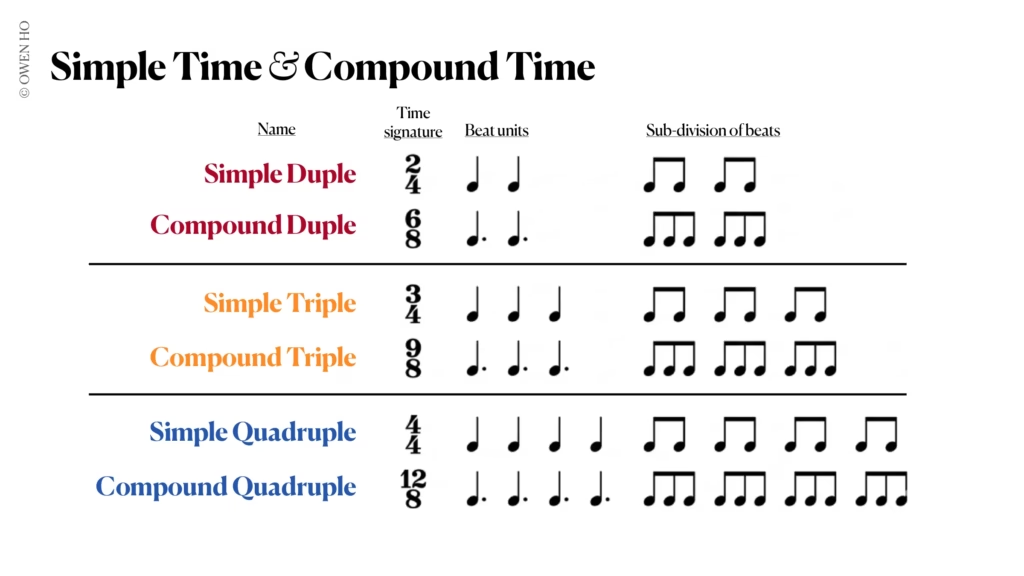
One of the most common question types in the ABRSM Grade 5 Music Theory exam involves rewriting rhythms between simple time and compound time (Section 1.2). At first glance, these questions can look confusing—especially when the two time signatures share the same number of subdivided beats.

But once you understand the underlying logic, these questions become straightforward. Here’s everything you need to know about simple and compound time, and how to approach this question type with confidence.

ABRSM Grade 5 Music Theory: Section 1.2 — How to Tackle Simple vs Compound Time Questions Read More »

how to read time signature

ABRSM Grade 5 Music Theory: Section 1.1 — Time Signatures

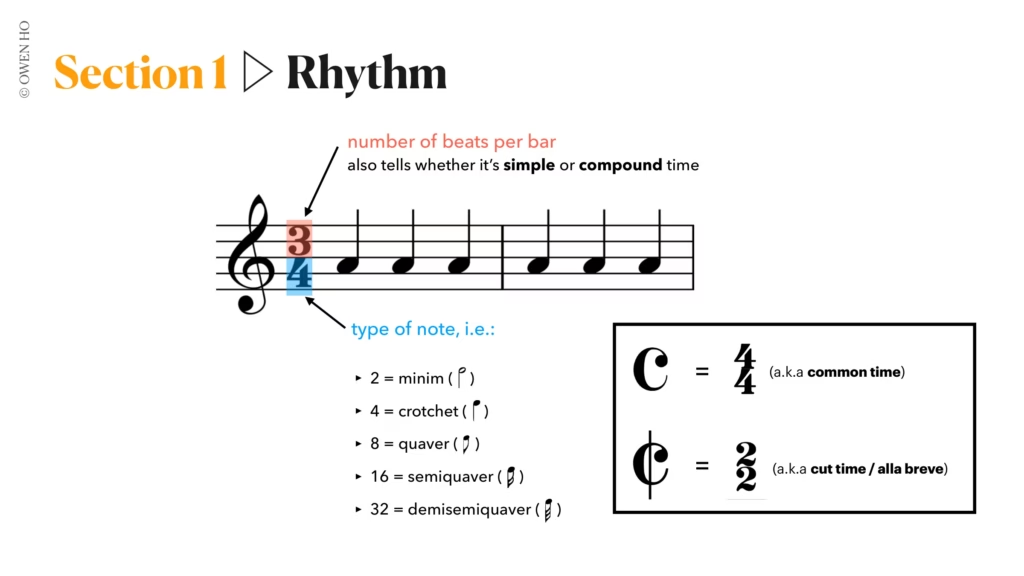
Section 1.1 of the ABRSM Grade 5 Music Theory exam is all about rhythm and time signatures. In this part of the exam, you will be given three multiple-choice questions asking you to identify the correct time signature for a given bar.

To answer these questions confidently, you need to be comfortable with note values, rests, dotted and tied notes, and irregular rhythmic groupings such as triplets, duplets, quintuplets and sextuplets.

ABRSM Grade 5 Music Theory: Section 1.1 — Time Signatures Read More »

abrsm grade 5 music theory syllabus

Ace the ABRSM Grade 5 Music Theory Exam: A Quick Guide

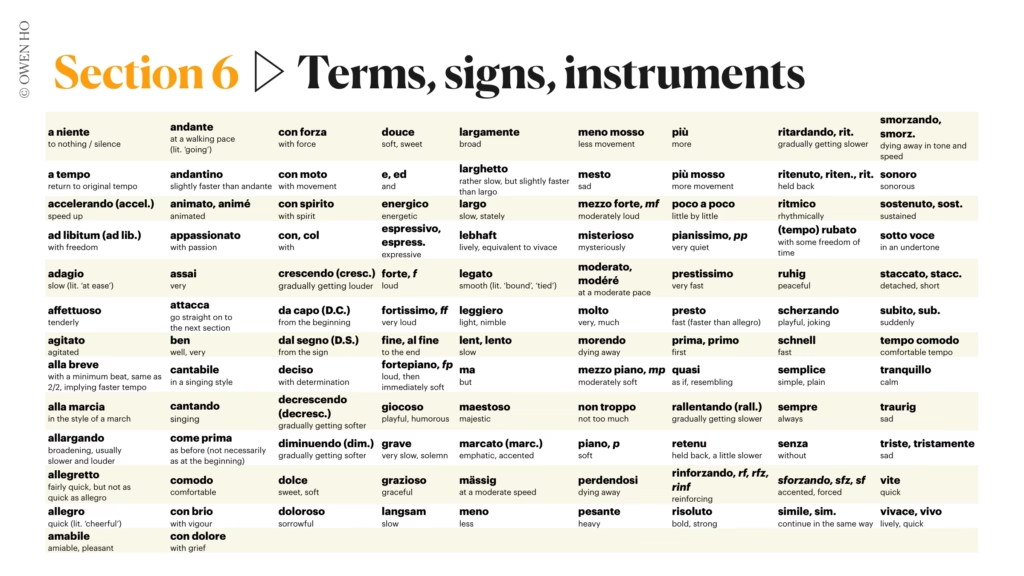
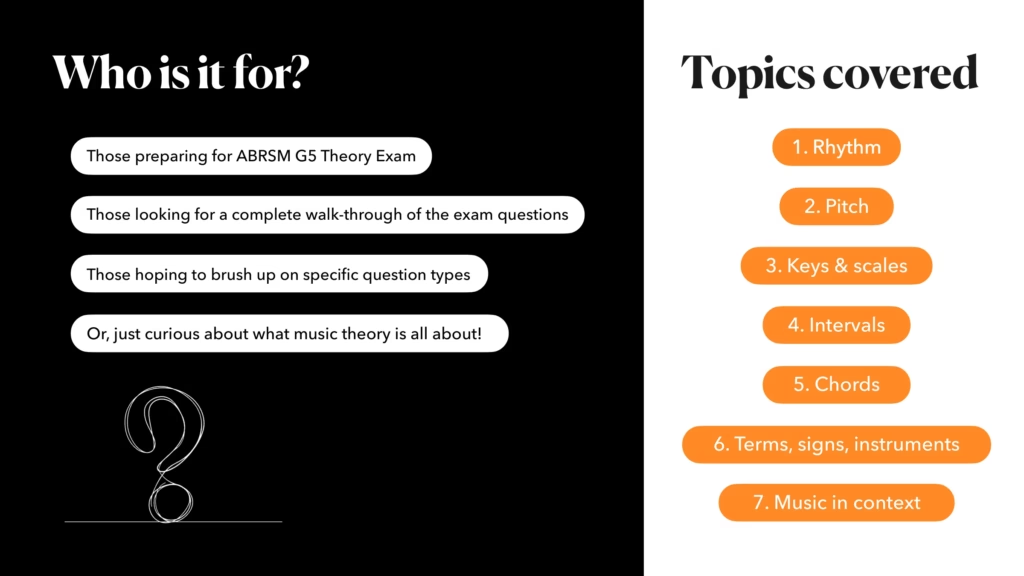
Are you feeling the pressure of the ABRSM Grade 5 Music Theory exam? You are not alone. For many musicians, this is the most daunting hurdle on their journey, especially since it’s a mandatory prerequisite for the ABRSM Grade 6 instrumental exam. As a music theory teacher, I’ve seen countless students struggle with the official (but rather dated) textbooks. While they are packed with information, they don’t always reflect the actual structure of the exam. That’s why I shot a series of videos that follow exactly the same format as the new exam. Below I will outline the topics covered.

Ace the ABRSM Grade 5 Music Theory Exam: A Quick Guide Read More »

abrsm grade 8 music theory

Introducing ABRSM Grade 8 Music Theory

The ABRSM Grade 8 Music Theory exam marks the pinnacle of academic achievement within the ABRSM theory framework. It demands a sophisticated understanding of harmony, structure, and historical practices, offering students the tools to engage with music at a professional level. This exam will challenge your creative thinking, analytical skills, and stylistic awareness, preparing you for more advanced studies or compositional work. Here’s what it entails.

Introducing ABRSM Grade 8 Music Theory Read More »

abrsm grade 7 music theory

Introducing ABRSM Grade 7 Music Theory

Preparing for the ABRSM Grade 7 Music Theory exam is an exciting step for students looking to deepen their understanding of harmony, structure, and stylistic practices across music history. As a bridge to the advanced concepts of Grade 8, this grade builds on everything learned in earlier levels while adding new challenges designed to refine your analytical and compositional skills.

Introducing ABRSM Grade 7 Music Theory Read More »

abrsm music theory past papers

Why Past Papers Are Essential for ABRSM Grade 5 Music Theory

The ABRSM Grade 5 Music Theory exam requires effective preparation, primarily through practice papers. These tests familiarise students with the exam format, identify knowledge gaps, and improve speed and accuracy. Essential strategies include time management, limiting notes, reviewing mistakes, and refining timing. Consistently scoring well on practice papers indicates readiness for the exam.

Why Past Papers Are Essential for ABRSM Grade 5 Music Theory Read More »

abrsm music theory

How to Ace Your ABRSM Grade 5 Theory Exam with Confidence

The ABRSM Grade 5 Music Theory exam enhances musicians’ skills, facilitating progress in practical grades and music comprehension. Success requires strong foundational knowledge, a tailored study routine, peer support, consistent practice, and effective time management. With proper preparation and encouragement, students can excel in this crucial step toward deeper musical understanding.

How to Ace Your ABRSM Grade 5 Theory Exam with Confidence Read More »

abrsm music theory

Transitioning from ABRSM Grade 5 to Grade 6: Tips & Insights

The transition from ABRSM Grade 5 to Grade 6 in music theory marks a significant shift from foundational knowledge to advanced analytical and creative skills. Grade 6 emphasises skills-based assessments, including composition and analysis, requiring higher-order thinking. Students should adopt independent study habits and anticipate a longer preparation period for success.

Transitioning from ABRSM Grade 5 to Grade 6: Tips & Insights Read More »
Scroll to Top